
Quick Sublimation Time and Temperature Chart
Sublimation looks simple on paper: heat the transfer, the ink turns to gas, and it dyes the polyester coating. In practice, the correct sublimation time and temperature changes for every blank because coatings, wall thickness, and heat transfer rates are all different. This chart is the exact reference we hand new customers who ask what settings to run on their heat press or mug press.
Bookmark this page. Every setting below assumes you are using quality sublimation paper, a calibrated press, and blanks that are actually coated for sublimation (not a random polyester item from the craft store).
| Blank | Temperature | Time | Pressure |
|---|---|---|---|
| 100% Polyester Shirt | 400F | 45-60 sec | Medium |
| Poly-Cotton Blend Shirt | 385F | 40-50 sec | Light-Medium |
| Polyester Hoodie | 400F | 60 sec | Medium |
| Sublimation Tote Bag | 400F | 60 sec | Medium |
| 11oz Ceramic Mug (mug press) | 400F | 180-210 sec | Firm |
| 15oz Ceramic Mug (mug press) | 400F | 210-240 sec | Firm |
| 20oz Skinny Tumbler (oven) | 385F | 360 sec | Shrink wrap |
| 20oz Skinny Tumbler (tumbler press) | 400F | 60-90 sec | Firm |
| 30oz Tumbler (oven) | 385F | 360-420 sec | Shrink wrap |
| Aluminum Sign / Photo Panel | 400F | 60 sec | Firm |
| Hardboard / MDF Ornament | 400F | 60-75 sec | Firm |
| Sublimation Coaster (hardboard) | 400F | 60 sec | Firm |
| Slate Coaster | 400F | 180 sec | Medium |
| Polyester Koozie | 400F | 40-60 sec | Medium |
| Trucker Hat (polyester front) | 385F | 50 sec | Medium |
| Sublimation Puzzle | 400F | 60 sec | Firm |
| License Plate (aluminum) | 400F | 60 sec | Firm |
How Sublimation Settings Actually Work
Sublimation ink is a solid that skips the liquid phase and turns directly into gas when hit with heat. That gas bonds with the polyester molecules in the coating on your blank, dying them permanently. Three variables control how well that reaction happens: temperature, time, and pressure.
Temperature
Most sublimation blanks want 385F to 400F. Too low and the ink never fully converts to gas, which leaves you with dull, faded colors. Too high and you scorch the polyester coating, yellow the substrate, or over-cook the ink and get a muddy, brownish shift in your reds and oranges. Trust a laser thermometer over the digital readout on cheap presses -- they lie by 15 to 25 degrees regularly.
Time
Time is how long the heat has to travel through the substrate and cook the ink. Thin polyester fabric needs less than a minute. A thick ceramic mug or a stainless tumbler needs several minutes because the coating is buried under a layer of material that has to heat up first. If you pull a hard substrate too early, the ink under the surface never fully sublimates and the design looks light or blotchy.
Pressure
Pressure keeps the paper flush against the blank so the gas has nowhere to escape sideways. Loose contact causes ghosting, where the image shifts and prints a shadow next to itself. Too much pressure on soft goods creates a press box outline around your design that never fully washes out. Medium pressure on shirts, firm pressure on hard goods, and shrink wrap tension on tumblers going into an oven is the general rule.
Soft Goods -- Shirts, Hoodies, and Bags
Polyester fabric is the fastest and easiest sublimation surface. The polymer is right at the surface, so heat only has to travel through the transfer paper and into the fibers.
100% Polyester Shirts
400F for 45 to 60 seconds at medium pressure is the standard. Use butcher paper or a Teflon sheet above and below to protect the platen from any ink bleed-through. Pre-press the shirt for 10 seconds to remove moisture -- wet fibers steam the ink and cause blurry edges.
Poly-Cotton Blends
Blends fade proportionally to their cotton content. A 65/35 poly-cotton will look about 65% as vibrant as pure polyester, with a vintage, washed-out look many customers actually prefer. Drop the temperature to 385F and time to 40-50 seconds to prevent scorching the cotton fibers.
Hoodies and Sweatshirts
Hoodies press the same as shirts but the thicker seam construction near hems and drawstrings can create pressure gaps. Position designs away from seams when possible, and use a pressing pillow inside the garment to isolate the print area.
Drinkware -- Tumblers, Mugs, and Water Bottles
Drinkware is where sublimation goes from easy to finicky. The coating is thin, the substrate is thick, and heat has to travel through metal or ceramic to reach the ink.
Ceramic Mugs
A mug press is the fastest and most consistent way to sublimate mugs. An 11oz mug wants 400F for 180 to 210 seconds at firm pressure. 15oz mugs need longer -- 210 to 240 seconds -- because there is more mass to heat. Wrap the paper tight with heat tape so there is no gap between the design and the mug wall.
Stainless Steel Tumblers -- Oven Method
Convection ovens are the go-to for tumblers because you can run 8 to 20 at a time. Set the oven to 385F and run tumblers for 6 minutes (7 minutes for 30oz). Wrap each tumbler in shrink film over the transfer paper, apply heat with a shrink gun until the film hugs the design, and load them onto a wire rack. Rotate the rack halfway through if your oven has hot spots.
Tumbler Presses
Tumbler presses (sometimes called mug press attachments or 360 tumbler wraps) run at 400F for 60 to 90 seconds. Rotate the tumbler mid-press if your unit only heats one side at a time. Full 360 wrap presses do both sides at once and are worth the upgrade if you press more than 20 tumblers a week. Our full sublimation tumbler guide walks through the oven versus press decision in more depth.
Hard Substrates -- Signs, Ornaments, and Coasters
Hard substrates are polyester-coated aluminum, hardboard (MDF), acrylic, and other rigid materials. They press at 400F almost universally, but times vary based on thickness.
Aluminum Photo Panels and Signs
Aluminum heats fast. 60 seconds at 400F with firm pressure is enough for most photo panels and metal signs. Place the substrate face-down on your paper (image side toward the coating) and put a foam pad underneath to even out any warp in the platen. Peel the paper immediately after pressing -- letting it cool causes the paper fibers to stick.
Hardboard and MDF
Hardboard ornaments, plaques, and coasters need slightly longer than aluminum because the wood substrate absorbs heat. 60 to 75 seconds at 400F with firm pressure. Double-sided ornaments require pressing each side separately with a heat-resistant foam between the two designs to prevent the first side from re-cooking.
Slate and Ceramic Tiles
Slate is unique -- it needs 400F for a full 3 minutes because the stone is dense and holds heat unevenly. Ceramic tiles run 400F for 6 to 8 minutes on the ceramic side up. Both benefit from a slow cool-down under a small fan to prevent thermal shock cracking.
Hats, Koozies, and Odd Shapes
Curved or irregular blanks need pressure adaptations more than temperature changes.
Polyester Koozies
Koozies are neoprene wrapped in polyester fabric. Press them flat at 400F for 40 to 60 seconds at medium pressure. Do not over-press -- the neoprene compresses permanently under too much force and the koozie loses its insulating shape.
Trucker Hats with Polyester Fronts
Only sublimate hats with an actual polyester front panel (not cotton twill or foam). Use a hat press or a heat press with a hat platen attachment. 385F for 50 seconds at medium pressure keeps the mesh back panel from melting while still fully activating the ink on the front.
Puzzles, License Plates, and Novelty Blanks
Most novelty blanks follow the aluminum rule: 400F for 60 seconds, firm pressure, foam pad underneath. If the blank has a rubber backing (like a mousepad), use a heat-resistant liner between the blank and the lower platen to protect both.
Troubleshooting Common Sublimation Problems
When settings look right on paper but the print comes out wrong, one of these is almost always the cause.
Colors Are Dull or Faded
Either the temperature is too low, the time is too short, or your blank is not properly coated. Bump the time up by 15 seconds first. If that doesn't fix it, verify the substrate is actually sublimation-ready with a small test on a corner.
Ghosting or Double Image
The paper shifted during the press. Use more heat tape, apply firmer pressure, and lift the platen straight up instead of tilting it when you open the press.
Yellow or Brown Halos Around the Design
The polyester coating is scorching. Drop your temperature by 10 degrees or shorten the press time by 5 to 10 seconds. Ceramic mugs and MDF are the most common offenders.
Muddy or Off Colors
You over-cooked the ink. Reds turn brown, purples turn muddy, and yellows shift green when sublimation runs too hot or too long. Pull the time back to the low end of the recommended range.
Blotchy or Uneven Coverage
Uneven pressure. Check your platen for warp, add a foam pad to compensate, and make sure the blank sits flat with no bumps under the paper.
For a live calculator that walks you through your specific press and blank, we built a free tool at /tools/heat-press-settings. It saves the guesswork and outputs the exact settings for your setup.
When to Use Sublimation vs DTF
Sublimation only works on white or light polyester and polyester-coated blanks. If your customer wants a design on a cotton hoodie, a black shirt, or a canvas tote, sublimation is not the answer. That is where DTF transfers take over, which we cover in our DTF vs sublimation breakdown. Most successful print shops keep both in their toolkit and pick the right method for each job.
Ready to order? Browse ready-to-press sublimation transfers or request a custom design through our custom order form. We ship free on orders over $75 and there are no minimums, so a single prototype ships the same as a bulk run.
Frequently Asked Questions
What temperature is best for sublimation?
Most sublimation blanks want 385F to 400F. Polyester shirts, hard substrates, and mugs all run at 400F. Poly-cotton blends and hats drop to 385F to avoid scorching. Always confirm with a laser thermometer because press displays are frequently off by 15 degrees or more.
How long do you press sublimation on a shirt?
A 100% polyester shirt presses at 400F for 45 to 60 seconds at medium pressure. Pre-press the shirt for 10 seconds first to remove moisture, then position the transfer, cover with butcher paper, and press.
How long do you sublimate a 20oz tumbler in a convection oven?
Set the oven to 385F and run 20oz skinny tumblers for 6 minutes wrapped in shrink film. 30oz tumblers need 6 to 7 minutes. Rotate the rack halfway through if your oven has hot spots. Let tumblers cool for 30 seconds before removing the shrink wrap.
Why are my sublimation colors dull?
Dull colors almost always mean the ink did not fully sublimate. The temperature was too low, the time was too short, or the blank is not properly polyester-coated. Bump the time up 15 seconds first, then verify your blank is actually sublimation-ready.
Can you sublimate on cotton?
No -- sublimation only bonds with polyester. Cotton has no polymer for the gas ink to dye. If you need prints on cotton or dark fabric, use DTF transfers instead. Poly-cotton blends will accept some sublimation but the print looks faded proportional to the cotton content.
What pressure setting should I use for sublimation?
Medium pressure for soft goods (shirts, hoodies, bags), firm pressure for hard substrates (aluminum, hardboard, ceramic), and shrink wrap tension for tumblers going into a convection oven. Too little pressure causes ghosting, too much creates press box marks on fabric.
Previous
Layered DTF Transfers: How to Stack Multiple Designs on One Shirt
Next
Sublimation vs DTF for Tumblers: Which Actually Wins?
Shop DTF Transfers
View all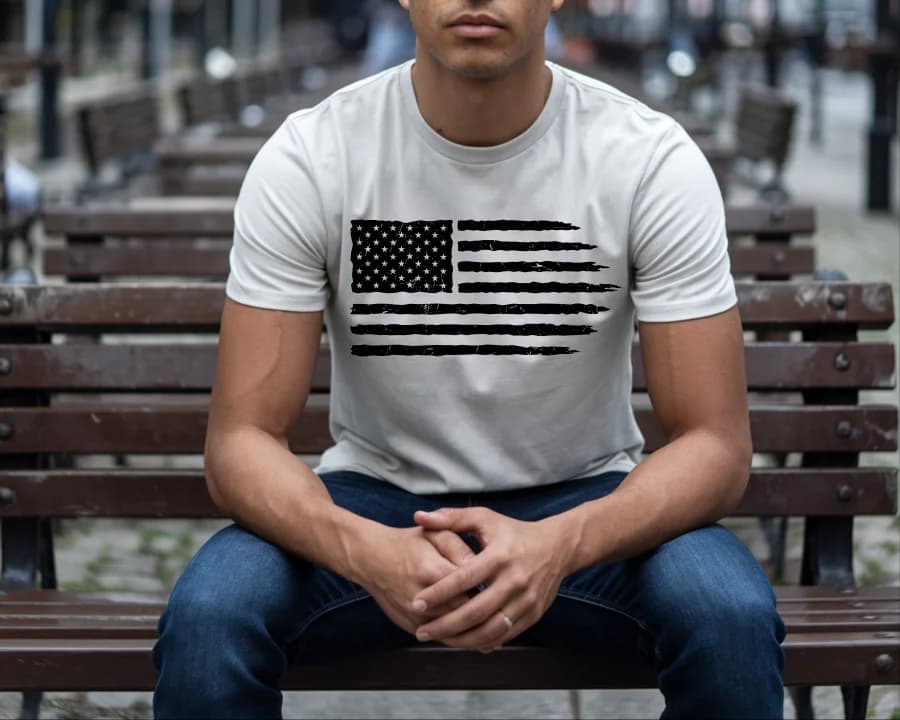
DTF Transfers
Grunge Flag
High Quality DTF Transfers, Ready to press Heat Transfers
DTF Transfers
Gamers Life Ready-To-Press DTF Transfer
High Quality DTF Transfers, Ready to press Heat Transfers
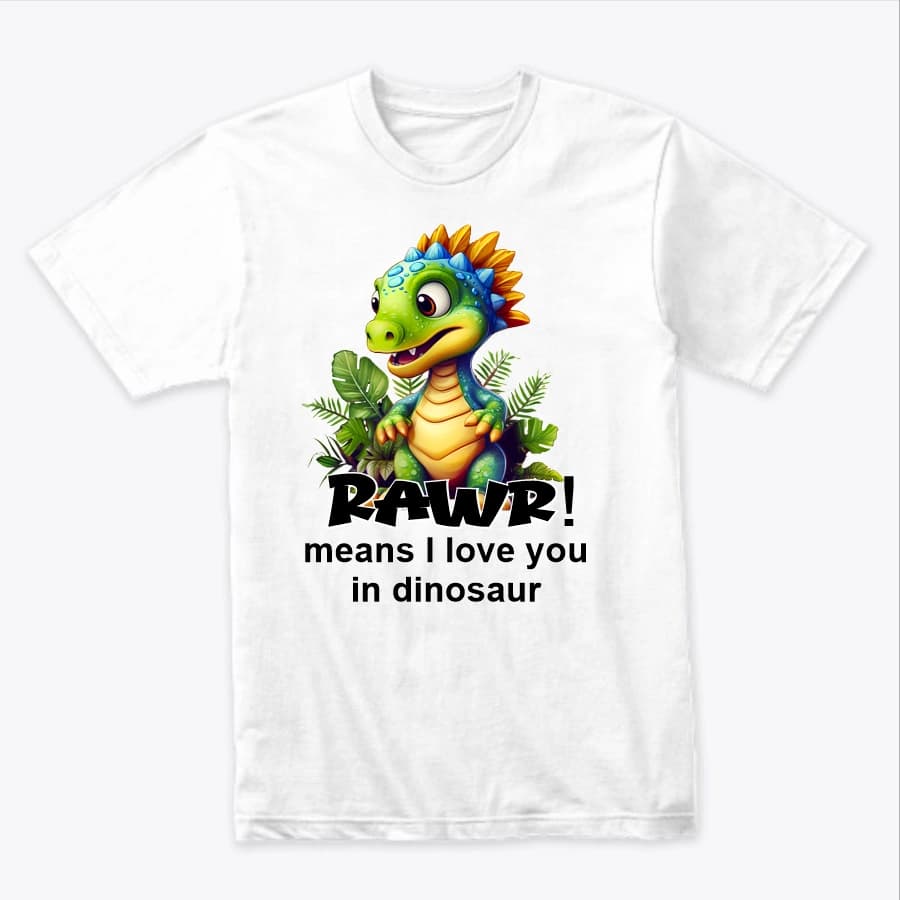
DTF Transfers
Rawa means I Love You
Rawa means I Love You -- Heat-applied DTF transfer for cotton, polyester, and any color fabric. Soft-feel finish, no weeding required.
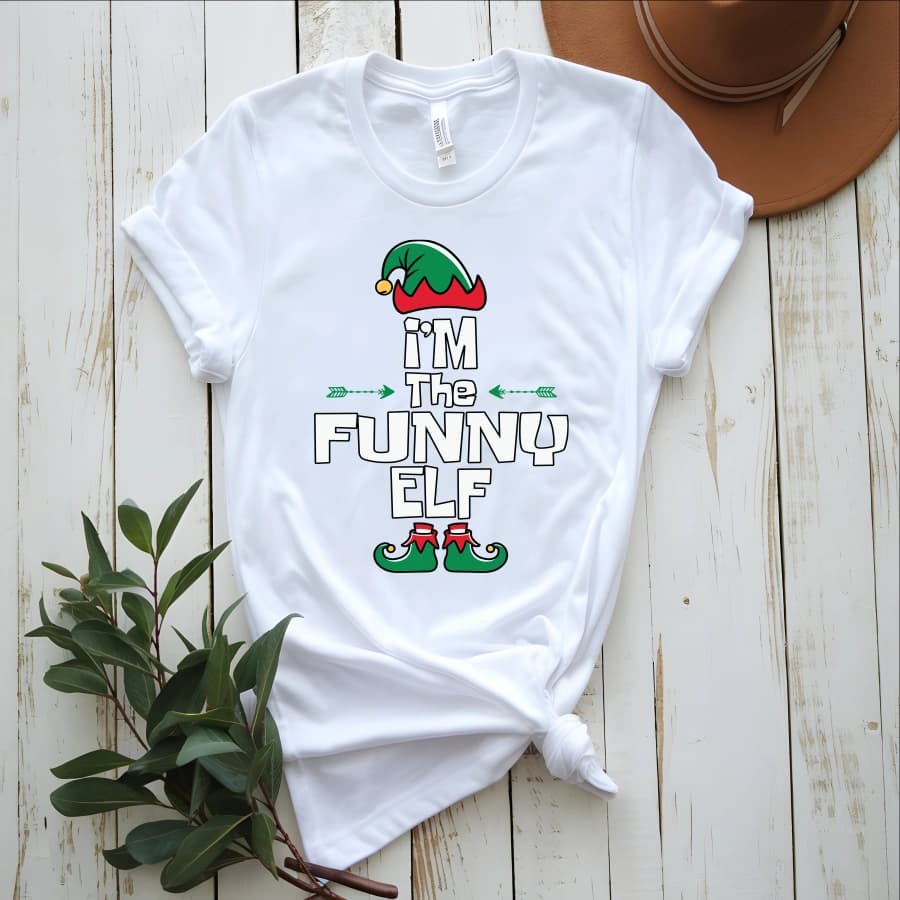
DTF Transfers
I'm the funny elf
I'm the funny elf -- Heat-applied DTF transfer for cotton, polyester, and any color fabric. Soft-feel finish, no weeding required.
Ready to press your next design?
Shop premium DTF transfers and sublimation products. No minimums. Ships in 2-3 business days.
Browse All Products