
How Each Method Works on a Tumbler
Before we can pick a winner, it helps to know what each process is actually doing to the surface of your tumbler. The two methods look similar from across the room, but the chemistry and workflow are very different.
Sublimation on Tumblers
Sublimation uses heat to turn solid dye into a gas that bonds directly with polyester molecules. For tumblers, that means you need a blank with a polyester coating baked onto the stainless or aluminum body. You print your design in reverse on sublimation paper, wrap it around the tumbler, secure it with heat-resistant tape or a shrink sleeve, and cook it in a convection oven or tumbler press at roughly 400F for 4 to 7 minutes depending on the machine.
When the wrap comes off, the ink is inside the coating, not on top of it. There is no raised layer to feel with your fingernail. That is why sublimation tumblers survive dishwashers, ice baths, and daily commutes so well.
DTF Transfers on Tumblers
DTF (Direct to Film) transfers were built for fabric, but crafters figured out fast that they also grip the outside of hard goods when the surface is smooth. A DTF tumbler wrap is a printed film with a hot-melt adhesive layer. You wrap it around the tumbler, apply pressure with a heat press (usually a tumbler press or a shrink-sleeve setup) at around 300F for 15 seconds, then peel the film once cool.
The design sits on top of the tumbler surface as a thin flexible layer. It bonds to almost any smooth material -- stainless, coated stainless, powder-coated cups, glass, ceramic, even acrylic. The catch is that "on top of" means it is not as bulletproof to abrasion or dishwasher heat as sublimation. It is still durable for daily hand-washed use, just not chemistry-fused into the substrate.
Sublimation vs DTF Tumbler Comparison
Here is the side-by-side view. Numbers are practical estimates from real small-shop workflows, not manufacturer spec sheets.
| Factor | Sublimation | DTF Transfer Wrap |
|---|---|---|
| Works on stainless steel | Only if polyester coated | Yes, uncoated or coated |
| Works on glass or ceramic | No (needs coating) | Yes, on smooth surfaces |
| Works on colored or black tumblers | No -- design washes out | Yes -- white ink base |
| Feel of the design | Smooth, in-substrate | Thin raised layer |
| Color vibrance on white blanks | Excellent, photo grade | Very good |
| Dishwasher safe | Yes (top rack) | Hand wash recommended |
| Blank cost (20oz) | $5 to $9 coated | $3 to $6 uncoated |
| Transfer cost per tumbler | $0.50 to $1.50 (paper + ink) | $2 to $5 per wrap |
| Press time | 4 to 7 minutes at 400F | 15 seconds at 300F |
| Startup equipment cost | $500 to $1,500 | $200 to $600 (press only) |
| Learning curve | Moderate -- ghosting, wrap tension | Low -- press and peel |
Durability -- Which Actually Lasts?
This is where the loudest arguments happen online, and honestly both camps are partly right. The truthful answer depends on how the end customer uses the tumbler.
Sublimation Wins the Dishwasher Test
Because sublimation dye is inside the polyester coating, high-temp dishwasher cycles will not lift or crack the print. You can put a sublimated tumbler through hundreds of cycles and the graphic still looks like day one, assuming the coating itself was applied well by the blank manufacturer.
Sublimation also wins on abrasion. A car cup holder that scrapes the bottom edge of your tumbler every commute will not scuff a sublimated print because there is no layer to scuff -- the color is the coating.
DTF Wins the Impact and Flex Test on Cold Cups
DTF's flexible film layer actually handles minor dings and flex better than a cracked polyester coating would. On stainless tumblers used for cold drinks only (no dishwasher, hand wash with mild soap), a well-pressed DTF wrap can easily last a year or more of daily use without visible wear.
Where DTF struggles: repeated exposure to dishwasher heat and high-alkaline detergents. Over dozens of cycles the adhesive layer softens and edges can lift. That is why every DTF tumbler I ship out at ColorFuse Prints goes out with a "hand wash only" care card. Follow that rule and the print stays put.
Color, Detail, and Image Quality
For photographic detail on a white or very light coated tumbler, sublimation is still the gold standard. Because the dye penetrates the coating and reflects light through it, colors feel deep and glassy. Skin tones in a memorial photo tumbler, for example, look natural. Fine text at 6pt stays crisp.
DTF holds its own on graphic art, logos, bold color blocks, and mid-detail illustrations. The white underbase means you get accurate color on a black stainless or hunter-green cup, which sublimation simply cannot do. Where DTF falls a step behind is very fine gradient work on skin tones -- the halftone dot pattern can be visible under close inspection.
Full-Wrap Alignment
Both methods can do full 360-degree wraps. Sublimation is a hair more forgiving on wrap seams because the color continues in a dye layer that blends slightly at the overlap. DTF seams are more visible if you overlap the film, so most DTF wraps are cut to a precise circumference for a butt-joint seam. If you sell wrap-style tumblers, invest in a wrap sizing chart for your blank brand.
Cost per Tumbler and Startup Cost
Cost math changes depending on whether you print your own transfers or order them ready to press.
Sublimation Cost Breakdown (20oz Tumbler)
- Coated blank: $5 -- $9
- Sublimation paper + ink: $0.50 -- $1.50
- Shrink sleeve or heat tape: $0.15 -- $0.40
- Oven or press electricity: negligible per unit
- Total consumables: about $6 -- $11
DTF Wrap Cost Breakdown (20oz Tumbler)
- Uncoated stainless blank: $3 -- $6
- DTF tumbler wrap (ordered ready-to-press): $2 -- $5
- Heat-resistant tape: $0.10 -- $0.25
- Total consumables: about $5 -- $11
On paper the costs land close. The real difference is startup. To sublimate profitably you need a printer with sublimation ink, ICC profiles, and either a tumbler press or convection oven. Realistic entry cost is $500 to $1,500. To press DTF tumbler wraps you can start with a $200 -- $400 tumbler heat press and order wraps from a print shop. No printer, no ink management, no coating chemistry. For sellers just testing the tumbler category, DTF wins the startup-cost round easily. If you want to see current wrap pricing, you can browse the DTF transfers shop or send us a custom order request with your artwork and blank size.
Ease of Production and Learning Curve
Sublimation has more variables to control: printer profile, paper choice, wrap tightness, press time, cool-down. Common problems include ghosting (a faint double image caused by paper shifting during press), banding from clogged print heads, and color shift from a wrong ICC profile. None of these are dealbreakers, but they add up when you are producing under deadline.
DTF wraps are close to plug-and-play. Wrap, tape, press at 300F for 15 seconds, peel when cool. If your press temperature and pressure are correct (see our heat press settings guide), you get a good result on the first try. The main mistakes are pressing too hot (which can scorch the film) or peeling while warm (which can lift edges).
When to Choose Each Method
Choose Sublimation When...
- Your customer wants a dishwasher-safe tumbler for daily use.
- The design is a photo, memorial portrait, or very fine detail work.
- You are producing hundreds of the same design and want per-unit cost to drop.
- You are already set up with a sublimation printer for other product lines.
- The blank is white, cream, or a very light coated color.
Choose DTF When...
- The tumbler is black, colored, glass, ceramic, or an uncoated stainless finish.
- You need small batches (1 to 20 units) without setup overhead.
- You want a design that pops on a dark background with true white ink.
- The customer accepts hand-wash care in exchange for a lower price point.
- You are testing a design concept before scaling to sublimation.
The Hybrid Approach Most Serious Sellers Use
Once you have run tumblers for a season or two, the answer stops being "sublimation vs DTF" and starts being "which one for this specific SKU." Most established tumbler shops offer both:
- Photo tumblers, memorial portraits, and premium daily-driver cups get sublimated onto coated blanks.
- Bold logo cups, colored stainless collections, glass cans, and one-off custom requests get DTF wrapped.
Offering both means you can quote any request without saying no. It also means you are not fighting the coating math every time a customer asks for a black or hunter-green tumbler, which happens constantly. If you want an outside partner to handle the transfer side while you focus on pressing and finishing, ColorFuse ships both DTF transfers and sublimation prints from Texas with no minimum order and free shipping over $75.
Bottom Line
Sublimation wins the durability and photo-quality categories on light coated tumblers. DTF wins on flexibility, dark and colored substrates, low startup cost, and speed. Neither one is universally "better" -- they are two tools that solve two overlapping but not identical problems. The pros run both because the market asks for both.
If you are choosing your first method today: pick DTF if you want to sell tumblers this month with minimal gear, and add sublimation later once you have enough repeat demand for dishwasher-safe white blanks to justify the equipment. If you already run a sublimation setup, DTF is the cheapest possible way to expand into black, colored, and glass tumbler lines without buying a second printer.
Previous
Sublimation Time and Temperature Chart for Every Blank
Next
Where to Buy DTF Transfers Online: 7 Things to Check Before Ordering
Shop DTF Transfers
View all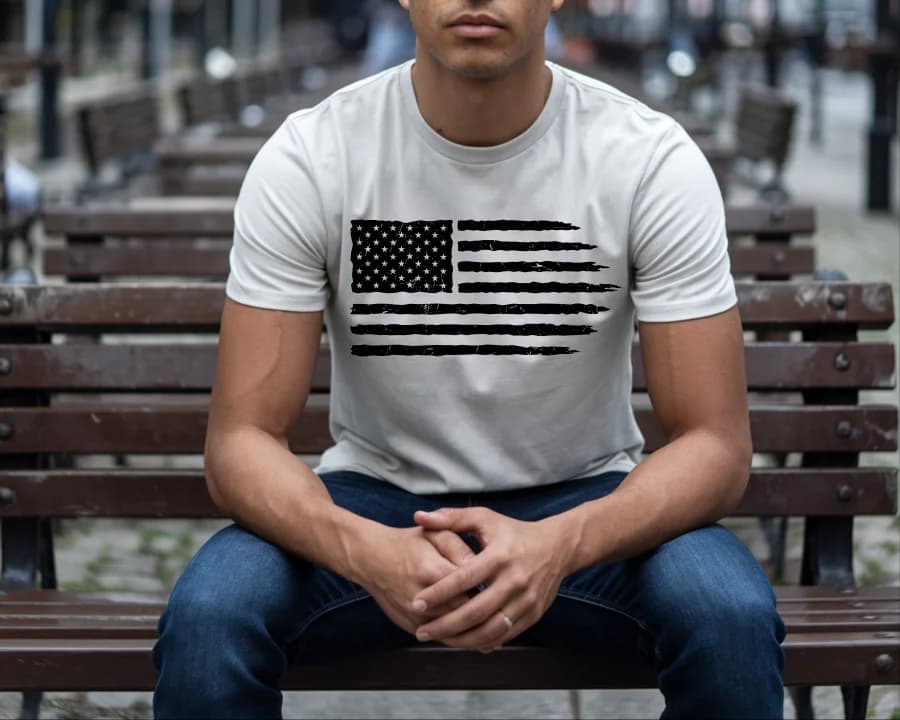
DTF Transfers
Grunge Flag
High Quality DTF Transfers, Ready to press Heat Transfers
DTF Transfers
Gamers Life Ready-To-Press DTF Transfer
High Quality DTF Transfers, Ready to press Heat Transfers
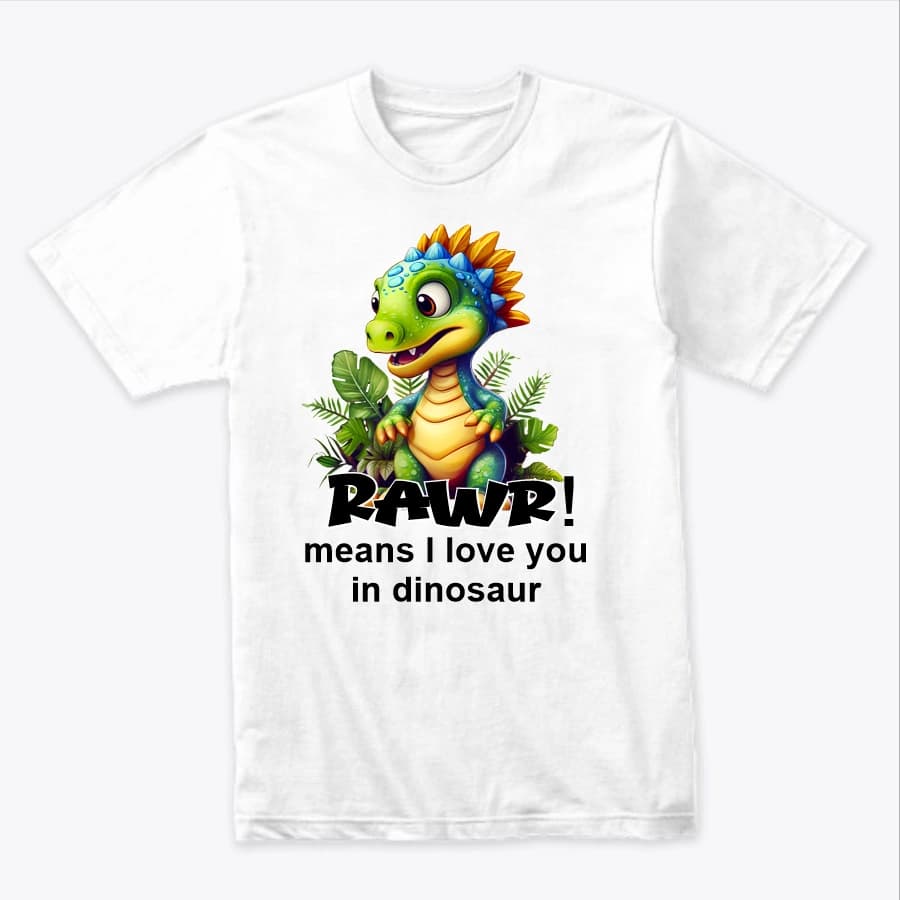
DTF Transfers
Rawa means I Love You
Rawa means I Love You -- Heat-applied DTF transfer for cotton, polyester, and any color fabric. Soft-feel finish, no weeding required.
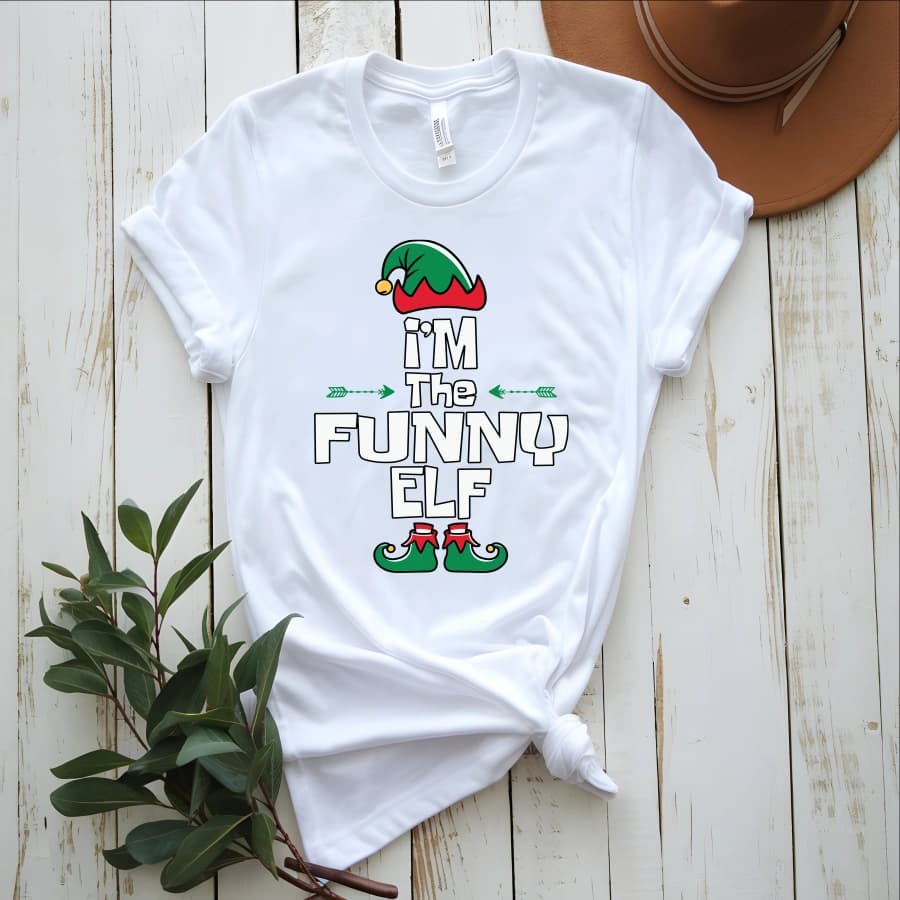
DTF Transfers
I'm the funny elf
I'm the funny elf -- Heat-applied DTF transfer for cotton, polyester, and any color fabric. Soft-feel finish, no weeding required.
Ready to press your next design?
Shop premium DTF transfers and sublimation products. No minimums. Ships in 2-3 business days.
Browse All Products