Quick Overview of Each Method
DTF transfers and sublimation are both heat-activated printing methods, but they work through completely different mechanisms and produce different results on different materials. Choosing the wrong method for your project can mean wasted money, poor print quality, or a finished product that does not hold up over time.
What Is DTF?
DTF (Direct to Film) is a process where a design is printed onto a special PET film using water-based inks and an adhesive powder. When heat and pressure are applied, the adhesive bonds the ink layer to the surface of the fabric. The design sits on top of the fabric fibers — it does not penetrate them. This is an important distinction because it is what allows DTF to work on such a wide variety of materials.
What Is Sublimation?
Sublimation uses heat to convert special sublimation dye from a solid directly into a gas, which then penetrates the polyester fibers and permanently bonds at a molecular level. Because the dye becomes part of the fabric itself, sublimation prints have zero hand feel — you literally cannot feel the design when you run your hand over it. However, this process only works where polyester fibers are present, and the dye is transparent, meaning the fabric color shows through the dye.
Fabric and Color Requirements
This is where DTF and sublimation diverge most dramatically, and where choosing wrong causes the most problems.
DTF Fabric Requirements
DTF works on virtually any fabric type and any fabric color. Cotton, polyester, cotton/poly blends, nylon, canvas, denim, leather, and more — if you can press it with a heat press, you can apply a DTF transfer. Dark colors are no problem because DTF uses a white ink underbase that prevents the garment color from affecting the design.
Sublimation Fabric Requirements
Sublimation is far more restrictive. It requires:
- High polyester content — At least 65% polyester for acceptable results, 80–100% for best results. On 50/50 blends, colors appear faded and washed out. On 100% cotton, sublimation simply does not work at all.
- White or very light-colored base — Because sublimation dye is transparent, any color in the fabric shows through the design. A navy blue shirt will make your reds appear nearly black. Sublimation is designed for white or near-white substrates.
- Sublimation-coated hard goods — For tumblers, mugs, mousepads, and other non-fabric items, the surface must be coated with a sublimation-receptive polymer coating. Plain metal or ceramic will not hold sublimation dye.
| Requirement | DTF Transfers | Sublimation |
|---|---|---|
| Works on 100% cotton | Yes | No |
| Works on dark colors | Yes | No |
| Works on polyester | Yes | Yes (best results) |
| Works on blends | Yes | Partial (faded colors) |
| Works on sublimation tumblers | No | Yes |
| Works on white tees | Yes | Yes |
| Works on black tees | Yes | No |
Print Quality Comparison
Both methods produce excellent results — but their strengths differ.
DTF Print Quality
DTF produces photographic-quality prints with rich colors, sharp edges, and fine detail. The white underbase gives colors excellent opacity and vibrancy, even on dark garments. Complex artwork, gradients, and photographs all reproduce with high fidelity. The one quality limitation is that DTF prints have a visible (though usually subtle) hand feel and a slight sheen where the ink layer sits on the fabric.
Sublimation Print Quality
On white polyester, sublimation produces absolutely stunning results — colors are extremely vibrant, gradients are seamless, and because the dye is part of the fabric, there is zero texture or hand feel. On tumblers and hard goods with polymer coatings, sublimation achieves full-bleed, all-over designs that are difficult to replicate with any other method. The limitation is the white-on-polyester-only constraint. Attempt sublimation on a darker shirt and the result is a muddy, washed-out disaster.
Durability and Wash Resistance
Both DTF and sublimation are durable when applied correctly, but they age differently.
DTF Durability
DTF transfers, when pressed at the correct temperature and pressure, hold up well to 50+ wash cycles. The ink layer is flexible and moves with the fabric rather than cracking. Over many washes, slight edge softening can occur, especially around fine details. To maximize DTF transfer life: wash inside out in cold water, tumble dry low, avoid bleach and fabric softener.
Sublimation Durability
Sublimation is arguably the most durable print method available. Because the dye is chemically bonded to the polyester fibers, it cannot peel, crack, or wash off under normal conditions. The print will fade only if exposed to UV light over long periods or subjected to extremely harsh washing. For items that will be washed frequently — like athletic wear or team uniforms on performance polyester — sublimation outlasts DTF.
Durability on Hard Goods
For tumblers and mugs, sublimation is the standard. The dye bonds to the polymer coating and resists scratching, peeling, and dishwashing far better than vinyl decals. DTF transfers are not designed for hard goods.
Cost Comparison
Cost differences between DTF and sublimation are more nuanced than they first appear, because the substrate cost and order size both matter significantly.
Per-Transfer Cost
At ColorFuse Prints, DTF and sublimation transfers are priced comparably for similar design sizes. There is no meaningful cost difference for the transfer itself.
Blank/Substrate Cost
This is where the real cost difference appears. Sublimation-compatible blanks — white polyester tees, sublimation-coated tumblers — often cost more than standard cotton blanks suitable for DTF. A quality white polyester performance tee may cost $8–12, while a comparable cotton tee for DTF may cost $4–8. Sublimation tumblers with polymer coatings cost more than plain stainless tumblers.
Equipment Cost
Both methods require a heat press. Sublimation for tumblers additionally requires a tumbler-specific heat press attachment or a dedicated tumbler press, which adds $100–300 to your startup costs. For flat garments, the same heat press works for both.
Best Use Cases for Each
When to Choose DTF Transfers
- Dark or colored garments (black, navy, red, etc.)
- 100% cotton blanks
- Cotton/poly blend hoodies, sweatshirts, hats
- Projects requiring high detail on any color background
- Small runs or single pieces where fabric variety matters
- Designs with complex artwork, photos, or gradients on colored apparel
- Canvas bags, aprons, denim jackets
When to Choose Sublimation
- White or light-colored polyester performance wear
- Custom tumblers, mugs, water bottles with polymer coating
- Mousepads, phone cases, and other polymer-coated hard goods
- All-over print designs on polyester jerseys or activewear
- Items that need zero hand feel (athletic wear where texture is noticeable)
- Products that will be washed extremely frequently
Which Should You Choose?
If you are building a custom apparel business or doing projects at home, you do not necessarily have to choose — many decorators use both methods. But if you are starting out and can only invest in one, here is the honest guidance:
Choose DTF if: You want maximum versatility. The ability to print on any color and any fabric type means you can take virtually any order that comes your way. Your customers will bring you dark-colored shirts, cotton hoodies, mixed-material tote bags, and everything in between. DTF handles all of them.
Choose sublimation if: You are specifically targeting the tumbler and drinkware market, the athletic wear market, or all-over print apparel on white polyester. Sublimation's no-hand-feel result and extreme durability are hard to match for these applications.
Use both if: You want a complete offering. Many successful decorators use DTF for all their colored and cotton garment orders and sublimation specifically for tumblers and white polyester performance products. ColorFuse Prints offers both, so you can mix and match as your business grows.
At the end of the day, both methods produce beautiful, professional results when the right method is matched to the right substrate. The most common mistake is trying to use sublimation on a dark or cotton garment and ending up with a faded, muddy result. Pick the right tool for the job and both methods will serve you well.
Previous
How to Press DTF Transfers: Step-by-Step Instructions for Perfect Results
Next
What Are DTF Transfers? The Complete Beginner's Guide
Shop DTF Transfers
View all
DTF Transfers
Grunge Flag
High Quality DTF Transfers, Ready to press Heat Transfers
DTF Transfers
Gamers Life Ready-To-Press DTF Transfer
High Quality DTF Transfers, Ready to press Heat Transfers
DTF Transfers
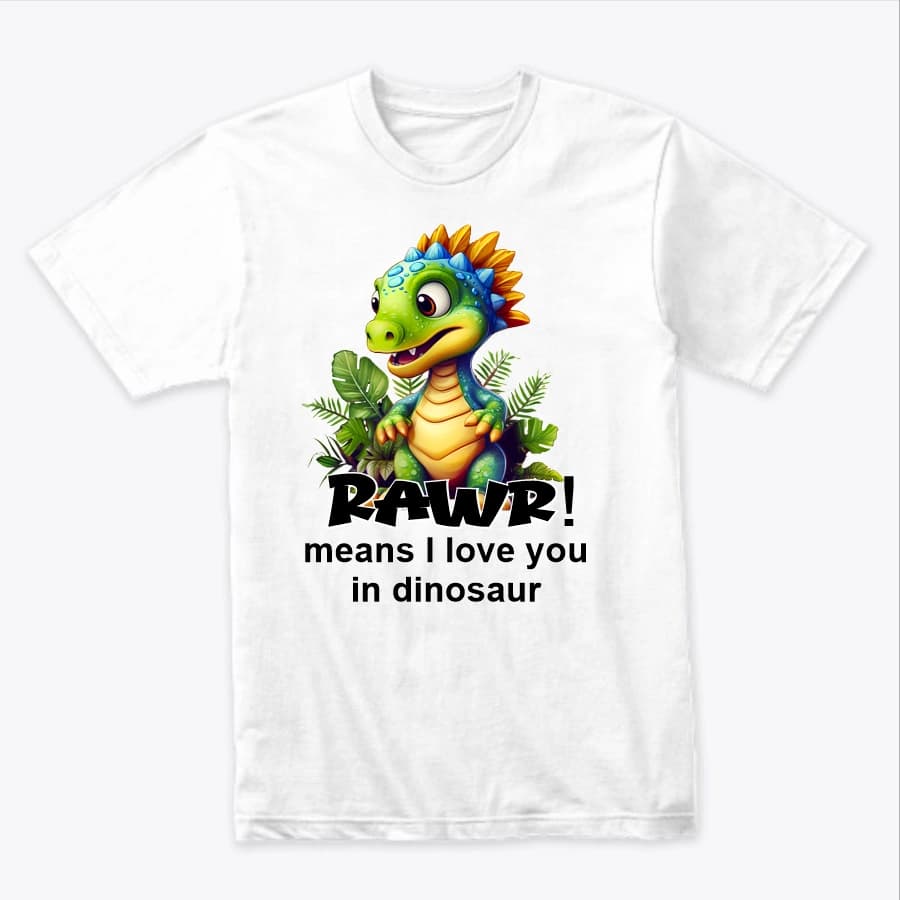
Rawa means I Love You
Rawa means I Love You -- Heat-applied DTF transfer for cotton, polyester, and any color fabric. Soft-feel finish, no weeding required.
DTF Transfers
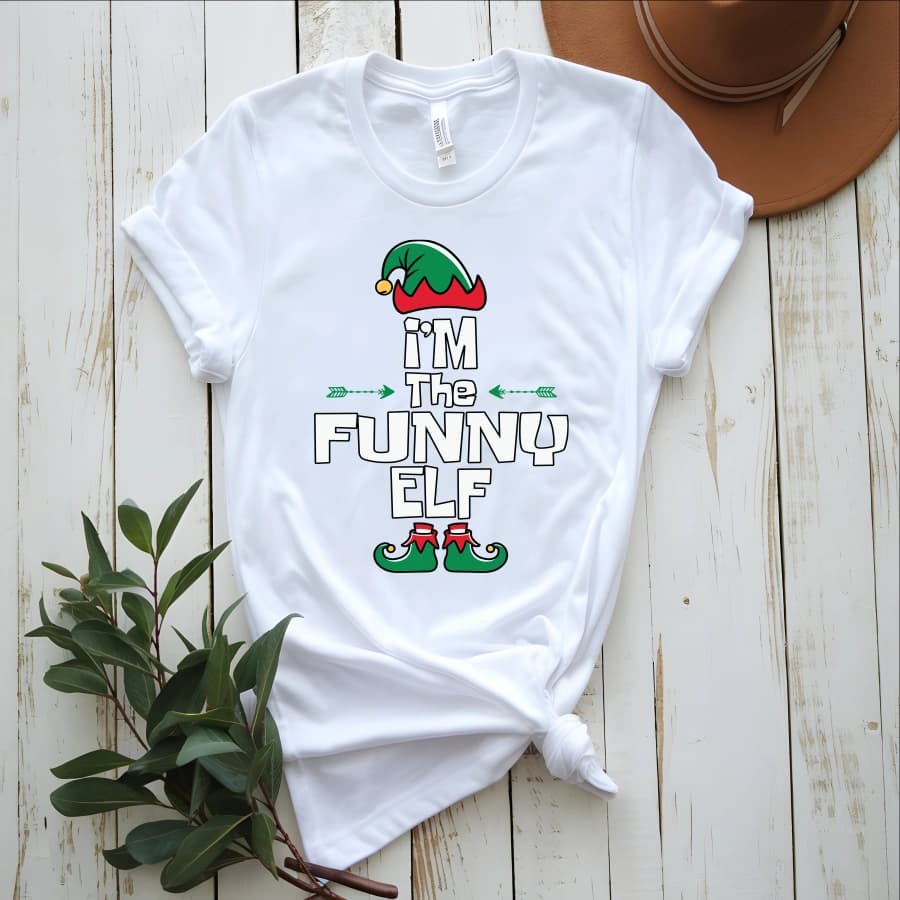
I'm the funny elf
I'm the funny elf -- Heat-applied DTF transfer for cotton, polyester, and any color fabric. Soft-feel finish, no weeding required.
Ready to press your next design?
Shop premium DTF transfers and sublimation products. No minimums. Ships in 2-3 business days.
Browse All Products