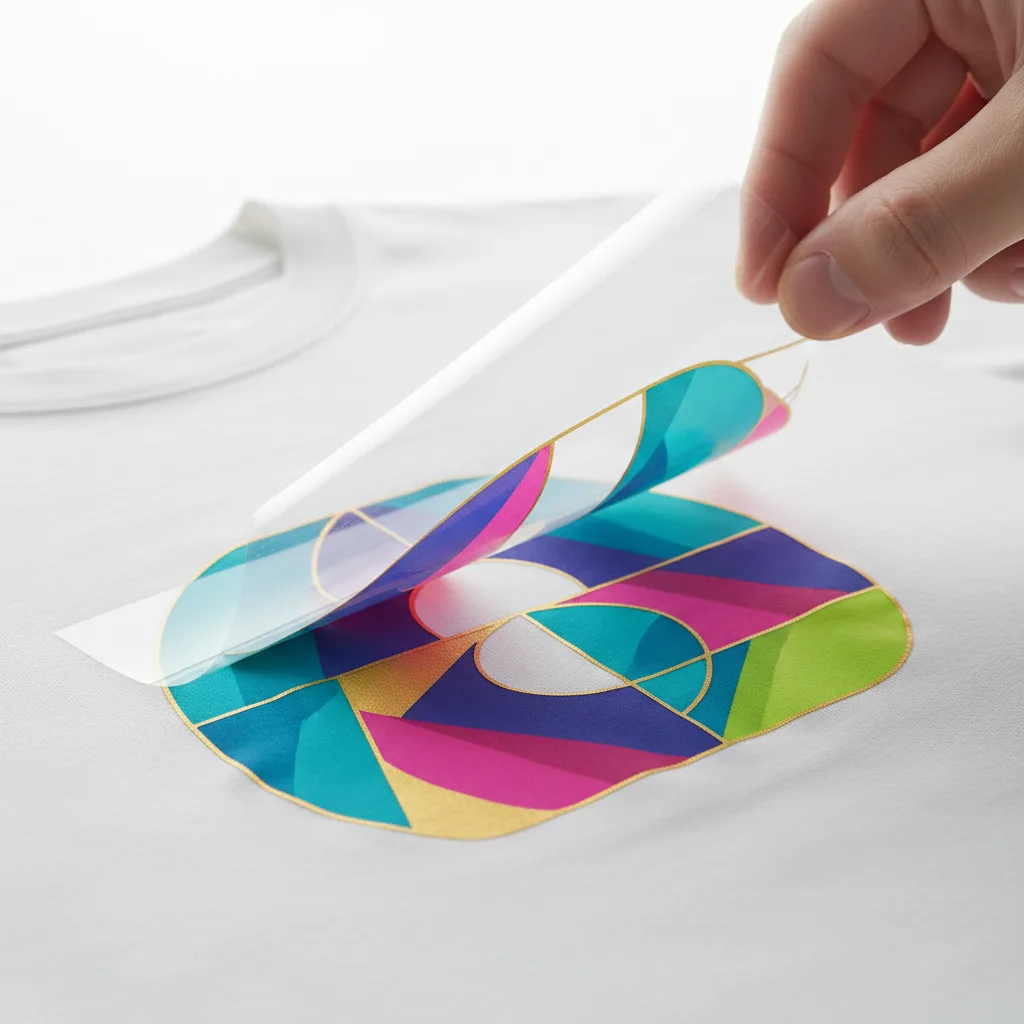
What Is a DTF Transfer?
DTF stands for Direct to Film. A DTF transfer is a ready-to-press heat transfer printed on a special PET film using water-based inks and a hot melt adhesive powder. When heat and pressure are applied, the design permanently bonds to the fabric, creating a vibrant, durable print with a soft feel.
Unlike iron-on transfers you might find at a craft store, professional DTF transfers are produced with industrial DTF printers that lay down precise layers of CMYK ink plus white ink on the film. The white ink acts as a base layer, which is what allows DTF transfers to work on dark-colored garments without the design looking washed out.
DTF transfers are sold as ready-to-press sheets or rolls. You order your design, it ships to you already printed on film, and all you need is a heat press to apply it. No special skills, no complicated setup, no minimum order quantities. That accessibility is a big reason why DTF has exploded in popularity among crafters, entrepreneurs, and print shops alike.
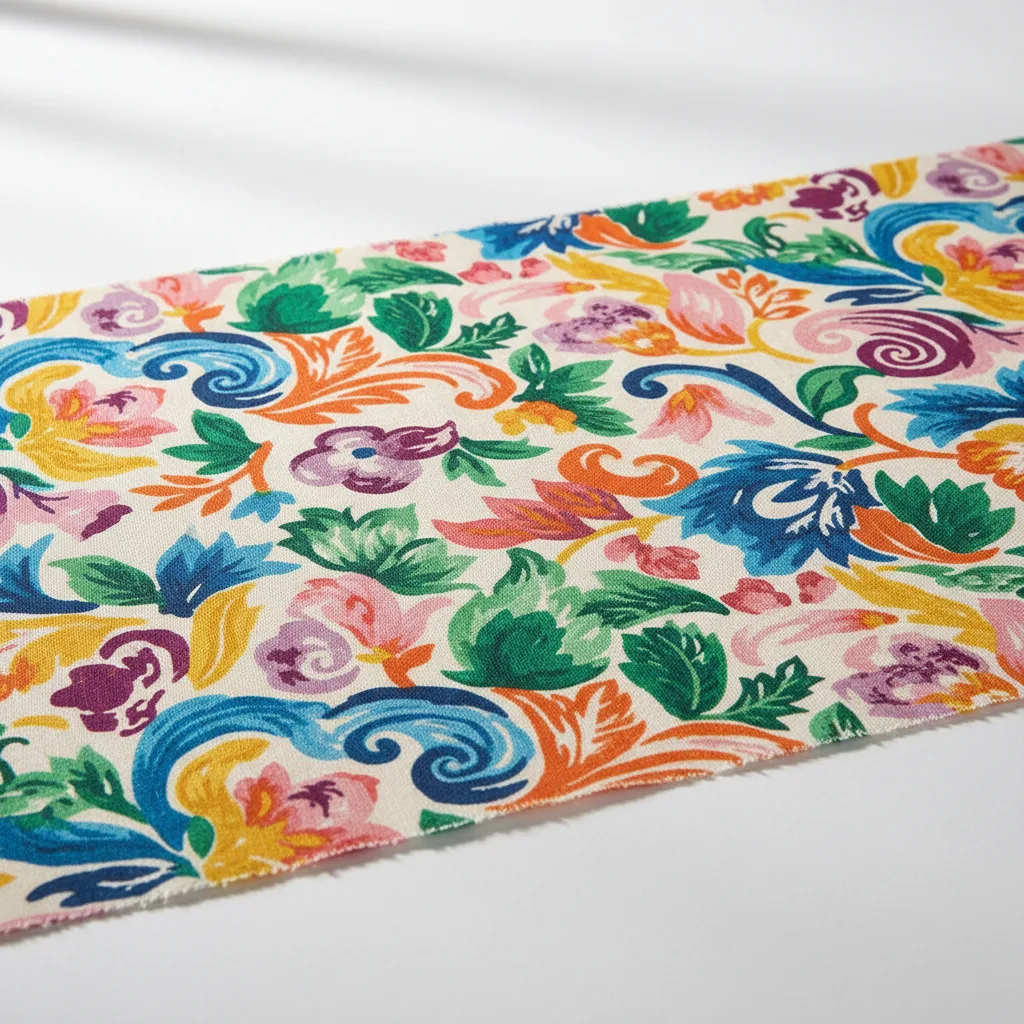
How DTF Printing Works
Understanding the production process helps you appreciate why DTF transfers perform so well. Here is a step-by-step breakdown of how a DTF transfer is made from start to finish:
Step 1: Design Preparation
The artwork is prepared in software like Adobe Illustrator, Photoshop, or CorelDRAW. For DTF, designs do not need to be simplified or limited to a set number of colors — full photographic detail, gradients, and complex artwork all print with equal quality. This is one of DTF's biggest advantages over methods like screen printing, which requires costly separations for each color.
Step 2: Printing on PET Film
The design is printed on a special transparent PET (polyethylene terephthalate) film using water-based DTF inks. Critically, white ink is printed first as an underbase, followed by the CMYK color layers on top. This reverse-print method is what enables vivid colors on dark fabrics — the white underbase prevents the garment color from showing through the design.
Step 3: Adhesive Powder Application
Immediately after printing, while the ink is still wet, a hot melt adhesive powder is applied evenly across the printed surface. This powder is the bonding agent that will fuse the transfer to the fabric. The powder only sticks to the wet ink areas, leaving non-print zones clean.
Step 4: Curing
The film passes through a curing oven (or is cured with a heat press) to melt the adhesive powder into the ink. This creates a solid, flexible layer that is ready to bond to fabric. After curing, the transfer can be stored, shipped, or pressed immediately.
Step 5: Heat Pressing
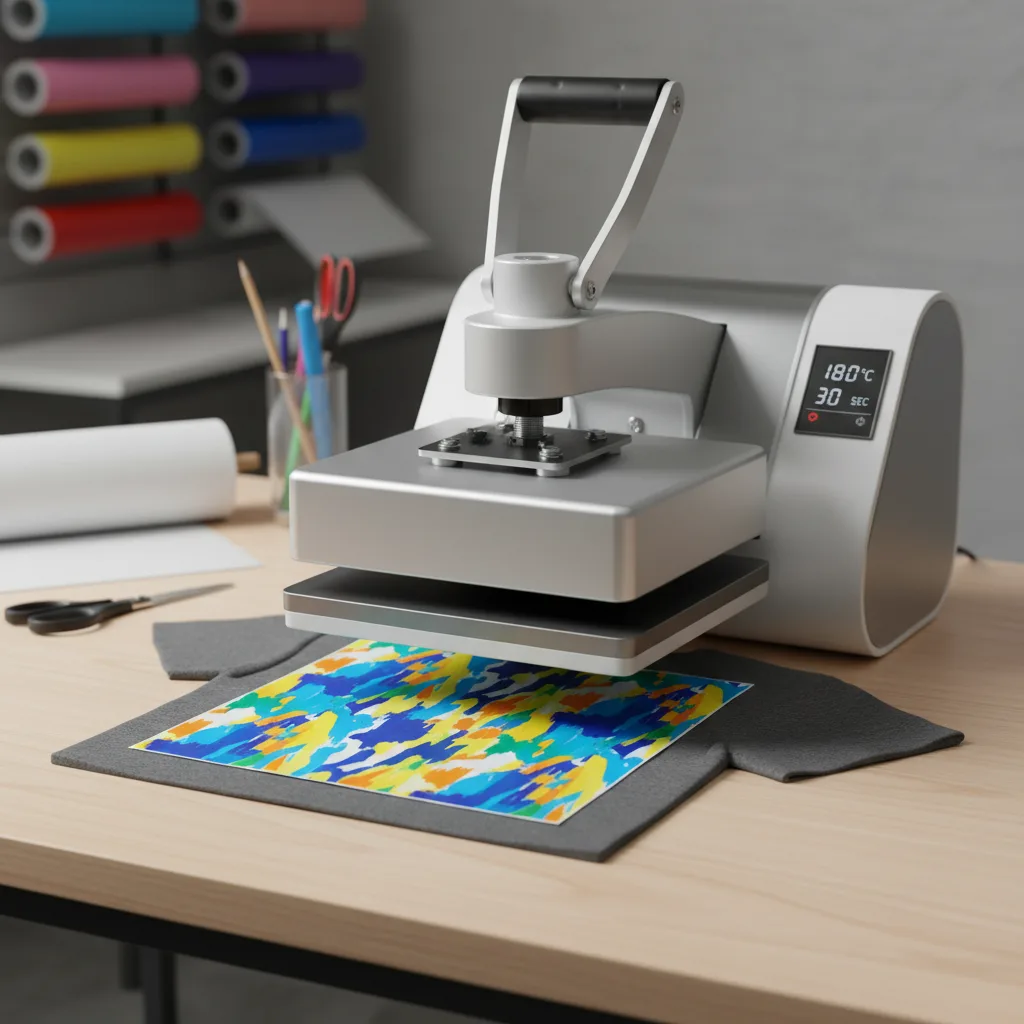
The end user positions the transfer film (ink side down) on the garment and presses it with a heat press at the correct temperature, pressure, and time — typically 275–320°F for 10–15 seconds with medium-firm pressure. The adhesive reactivates, bonds the ink to the fibers, and when the film is peeled away, the design remains permanently on the fabric.
Key Benefits of DTF Transfers
DTF transfers have rapidly become the preferred method for custom apparel for a long list of reasons. Here are the most important ones:
Works on Any Fabric Color
Because DTF uses a white ink underbase, your design looks exactly as intended whether you are pressing onto a white tee, a navy hoodie, a black cap, or a red tote bag. This is a fundamental limitation of sublimation (light fabrics only) that DTF completely eliminates.
Works on Virtually Any Fabric Type
Cotton, polyester, cotton/poly blends, canvas, denim, nylon, leather, and more — DTF bonds to nearly any fabric. The adhesive layer is the key. Unlike sublimation, which requires a polyester content of at least 65% for good results, DTF does not have fabric restrictions.
No Minimum Order
Traditional screen printing requires you to create a separate screen for each color, making small runs extremely expensive. DTF has zero setup cost beyond the design file. You can order a single transfer or ten thousand — the per-unit cost is the same.
Full-Color, High-Detail Printing
Photographs, gradients, drop shadows, fine lines, complex patterns — DTF prints them all with photographic quality. You are not limited to spot colors or a fixed number of ink layers.
Soft Hand Feel
Quality DTF transfers have a surprisingly soft feel on the garment. The ink layer is thin and flexible, and it moves with the fabric rather than sitting on top like a stiff plastisol screen print.
Wash Durability
When pressed correctly, DTF transfers are highly wash-resistant. They hold up to dozens of washes without cracking, fading, or peeling — provided the garment is washed in cold water, turned inside out, and dried on low heat.
No Weeding Required
Vinyl and HTV (heat transfer vinyl) require you to "weed" away the negative space around your design — a time-consuming process. DTF transfers are already print-ready with clean edges. No weeding, no cutting, no extra steps.
DTF vs Other Printing Methods
| Feature | DTF Transfers | Screen Printing | Sublimation | HTV/Vinyl |
|---|---|---|---|---|
| Works on dark fabrics | Yes | Yes (with underbase) | No | Yes |
| Works on all fabric types | Yes | Yes | Polyester only | Yes |
| Full-color photo printing | Yes | Limited | Yes | No |
| No minimum order | Yes | No (high setup cost) | Yes | Yes |
| Weeding required | No | No | No | Yes |
| Soft hand feel | Yes | Varies | Yes | No |
| Best for large runs | Good | Excellent | Good | Slow |
Who Uses DTF Transfers?
DTF transfers have found a home across a wide range of users because they are so flexible and accessible. Here are the most common groups using them:
Small Business Owners and Entrepreneurs
Custom apparel is a proven business model — and DTF makes it accessible without the upfront investment of a DTF printer (which can cost $5,000–$50,000+). By ordering ready-to-press transfers from a supplier like ColorFuse Prints, you can run a profitable custom apparel business with nothing more than a heat press, which starts around $150–$400.
Crafters and DIYers
DTF transfers are enormously popular in the crafting community. Whether you are making personalized gifts for family, creating one-of-a-kind pieces for craft fairs, or adding designs to your own wardrobe, DTF makes it simple. No design software experience required — just send your artwork and press it onto your blank.
Sports Teams and Organizations
Custom team apparel is a natural fit for DTF. No minimums means you can outfit a team of 12 without paying for a 24-piece screen print minimum. Complex logos with gradients and shadows reproduce perfectly.
Print Shops
Many established print shops have added DTF to their service offerings to handle short runs and complex artwork that is cost-prohibitive with screen printing. Some shops outsource their DTF production entirely to keep overhead low.
Event Planners and Organizations
Fundraiser shirts, family reunion tees, school spirit wear, concert merch — DTF handles all of these with no minimums and fast turnaround times.
How to Apply a DTF Transfer
Applying a DTF transfer is straightforward, but correct technique makes the difference between a transfer that lasts for years and one that begins to lift after a few washes.
What You Need
- A clamshell or swing-away heat press (avoid household irons for best results)
- Your DTF transfer from ColorFuse Prints
- Pre-washed garment (washing removes sizing chemicals that can interfere with adhesion)
- Lint roller or heat-resistant tape
- Teflon sheet or parchment paper (optional but recommended)
Application Steps
- Pre-press the garment — Apply the heat press for 3–5 seconds with the garment alone to remove moisture and wrinkles. This step is often skipped but makes a real difference in adhesion quality.
- Lint roll the press area — Remove any debris from the print area.
- Position the transfer — Place the transfer film ink-side down on the garment. Use a ruler or centering tool for accurate placement.
- Press at 300–320°F for 10–15 seconds with medium-firm pressure — Exact settings vary by transfer supplier. ColorFuse Prints transfers press best at 305°F for 12 seconds.
- Peel — Allow to cool 10–15 seconds, then peel the film slowly from one corner. If the ink lifts, re-press and allow to cool longer.
- Final press (optional) — Place a Teflon sheet over the design and press for 5 seconds to lock in the edges and give a finished matte look.
Frequently Asked Questions
How long do DTF transfers last?
When applied correctly and cared for properly, DTF transfers last 50+ washes without significant degradation. Cold wash, inside out, low-heat dry extends the life considerably.
Can I apply a DTF transfer with a Cricut EasyPress?
EasyPress machines can work but often lack the pressure and temperature consistency of a professional heat press. Results are variable. A dedicated clamshell or swing-away press is strongly recommended.
Do I need to mirror the design before printing?
No. When you order from ColorFuse Prints, we handle all printing preparation. The transfer arrives ready to press — no mirroring, no weeding, no additional prep needed.
Can DTF transfers go on 100% cotton?
Yes. This is one of DTF's biggest advantages. 100% cotton, 100% polyester, blends — DTF works on all of them. The adhesive bonds to cotton fibers just as effectively as to polyester.
How do I wash a garment with a DTF transfer?
Turn inside out, wash in cold water on a gentle cycle, tumble dry low or air dry. Avoid bleach, fabric softener, and high-heat drying, which can cause premature cracking.
Are DTF transfers waterproof?
DTF transfers are water-resistant after curing but not fully waterproof. They hold up well to normal washing and light rain. For items that will be submerged in water regularly, sublimation on polyester is a better choice.
Shop DTF Transfers
View all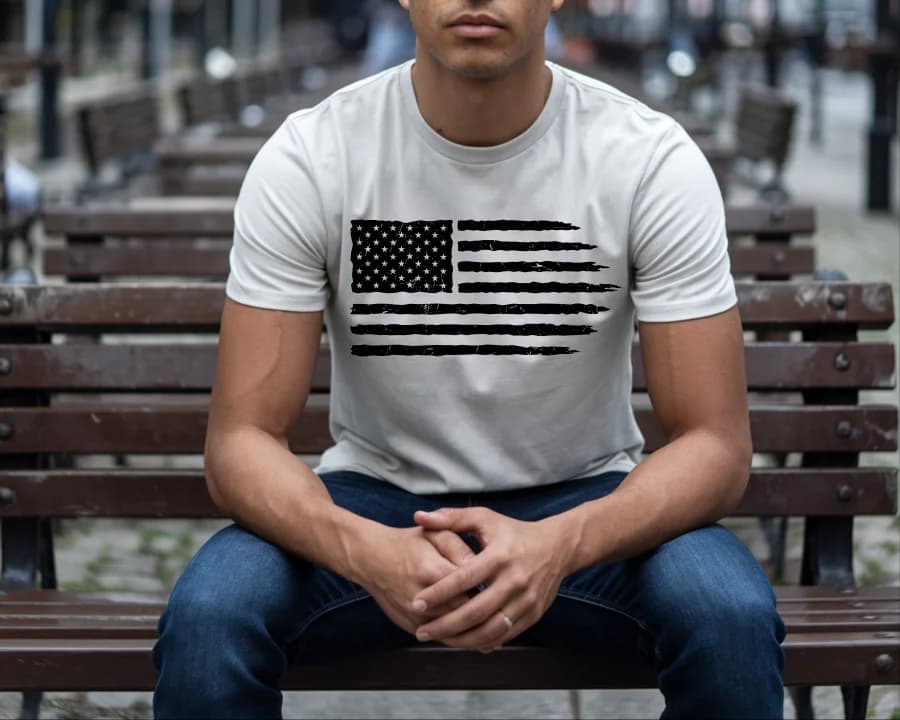
DTF Transfers
Grunge Flag
High Quality DTF Transfers, Ready to press Heat Transfers
DTF Transfers
Gamers Life Ready-To-Press DTF Transfer
High Quality DTF Transfers, Ready to press Heat Transfers
DTF Transfers
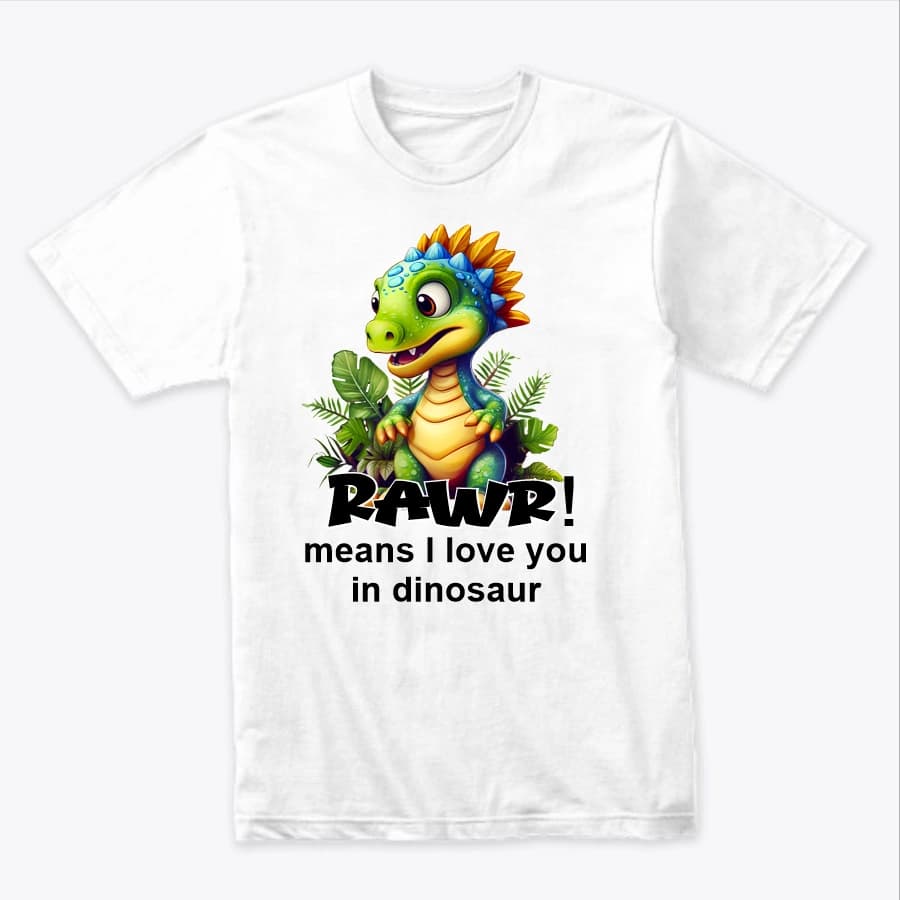
Rawa means I Love You
Rawa means I Love You -- Heat-applied DTF transfer for cotton, polyester, and any color fabric. Soft-feel finish, no weeding required.
DTF Transfers
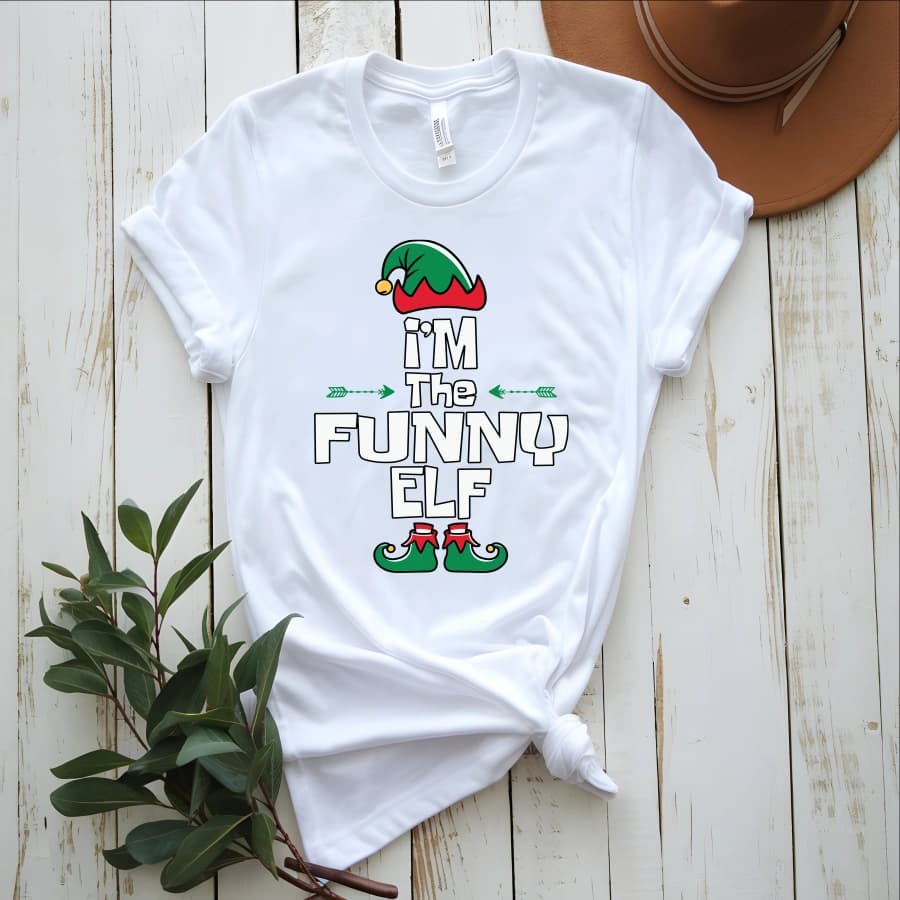
I'm the funny elf
I'm the funny elf -- Heat-applied DTF transfer for cotton, polyester, and any color fabric. Soft-feel finish, no weeding required.
Ready to press your next design?
Shop premium DTF transfers and sublimation products. No minimums. Ships in 2-3 business days.
Browse All Products