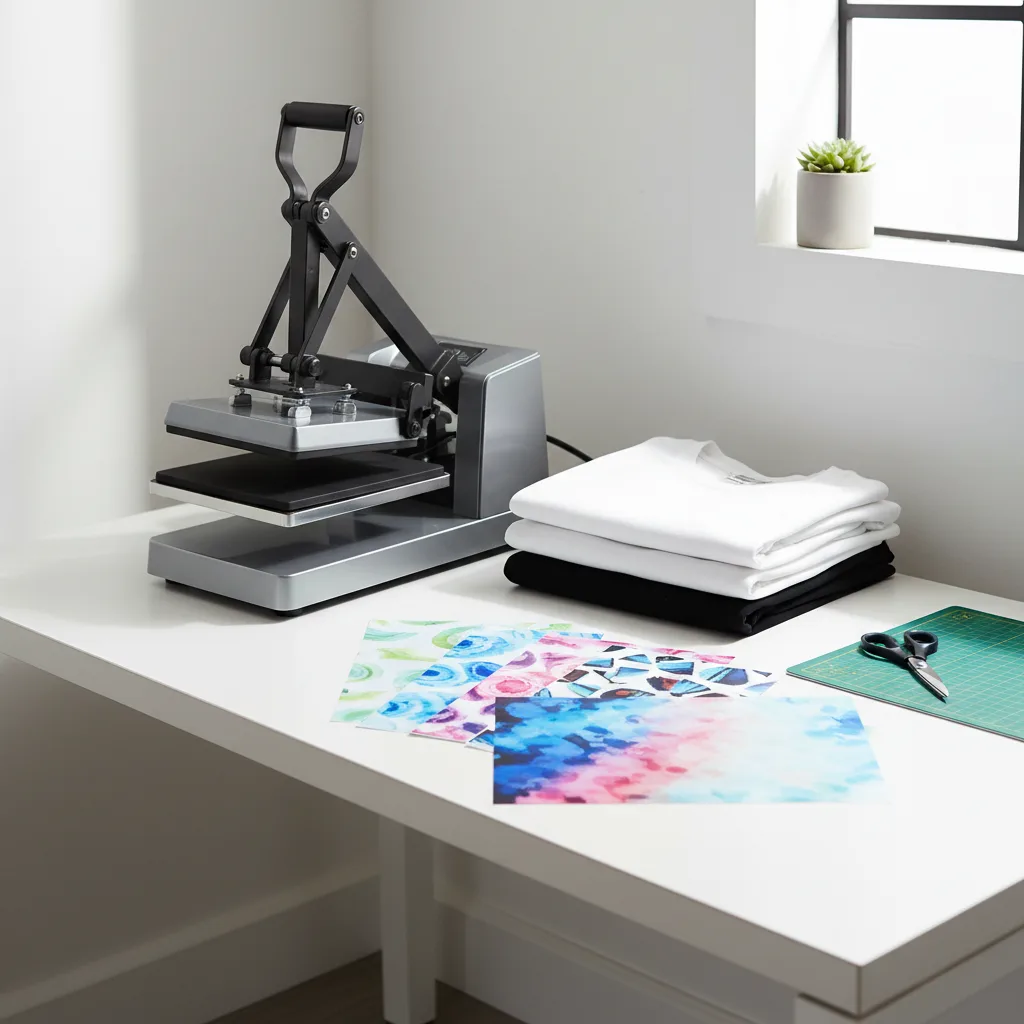
Why DTF Is Ideal for a Small Business
Before DTF became widely accessible, starting a custom apparel business meant either investing $15,000–50,000 in a DTG (direct-to-garment) printer or outsourcing everything to a printer with minimum order requirements that made small orders unprofitable. DTF transfers changed this equation completely.
With DTF, your role as a business owner is the pressing — not the printing. You source ready-to-press transfers from a supplier like ColorFuse Prints, press them onto blanks you source separately, and sell the finished garments at a profit. Your startup investment is a heat press and blank inventory. Everything else is variable cost.
This model has several powerful advantages:
- No minimum orders on transfers — You can fulfill a single-piece custom order profitably
- No artwork limitations — Full-color, complex designs all print the same
- Low startup cost — $150–500 for a heat press vs $15,000+ for a printer
- Fast turnaround — Transfers arrive in 2–3 days; you can promise customers 5–7 day delivery
- Work from home — A heat press fits in any room; no dedicated facility needed
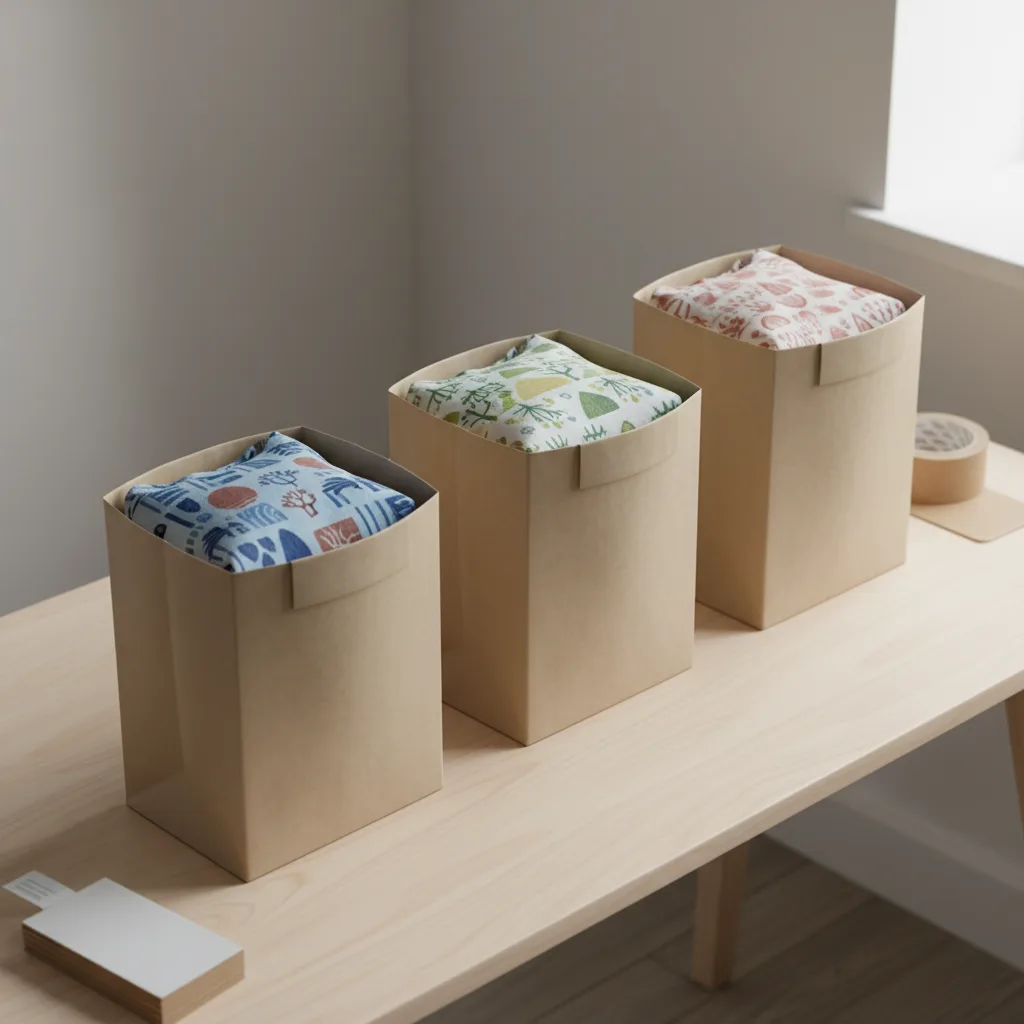
Startup Equipment and Costs
The Heat Press ($150–500)
Your heat press is your primary production equipment. For starting out, a 15x15-inch clamshell or swing-away press in the $150–300 range is perfectly adequate. Recommended entry-level options include the Cricut EasyPress 2 (for low volume) or a dedicated 15x15 clamshell from a brand like Fancierstudio or PowerPress. If you are serious about the business, invest in a swing-away press with a pressure gauge — the better pressure control pays dividends in consistent quality.
Blank Inventory ($50–200 to start)
You have two inventory strategies:
- Print-on-demand: Order blanks only after a customer places an order. Lower risk, slightly slower fulfillment.
- Stock popular blanks: Keep a small inventory of best-selling sizes and colors. Faster fulfillment, some inventory risk.
Best wholesale blank sources for small businesses: S&S Activewear, SanMar, and Alpha Broder. Gildan 5000 is the most popular budget cotton tee; Bella+Canvas 3001 is the premium option.
Startup Cost Summary
| Item | Budget Option | Mid-Range |
|---|---|---|
| Heat press | $150 | $300 |
| Initial blank inventory | $75 | $150 |
| Teflon sheets (5-pack) | $10 | $15 |
| Lint roller (3-pack) | $8 | $8 |
| Hanging rack / packaging | $25 | $50 |
| Total | ~$268 | ~$523 |
Finding Your Niche
The biggest mistake new custom apparel businesses make is trying to serve everyone. "Custom t-shirts for anyone" is not a business — it is a hobby with occasional sales. A focused niche generates repeat customers, word-of-mouth referrals, and the ability to charge premium prices.
High-Potential Niches for DTF Businesses
- Local sports teams — Youth leagues, rec leagues, and travel teams buy uniforms, practice shirts, and spirit wear year-round. One relationship with a league coordinator feeds you orders for years.
- Schools and school organizations — Spirit wear, club shirts, graduation shirts, teacher appreciation gifts
- Small businesses — Staff uniforms, branded shirts for events, promotional giveaways
- Crafters and artists — Sell custom tees branded with local artists' designs through a revenue-share model
- Events and reunions — Family reunions, milestone birthday parties, bachelorette parties
- Faith communities — Churches, youth groups, mission trip shirts
- Pet niches — Dog breed-specific shirts, pet portraits on apparel (extremely popular on Etsy)
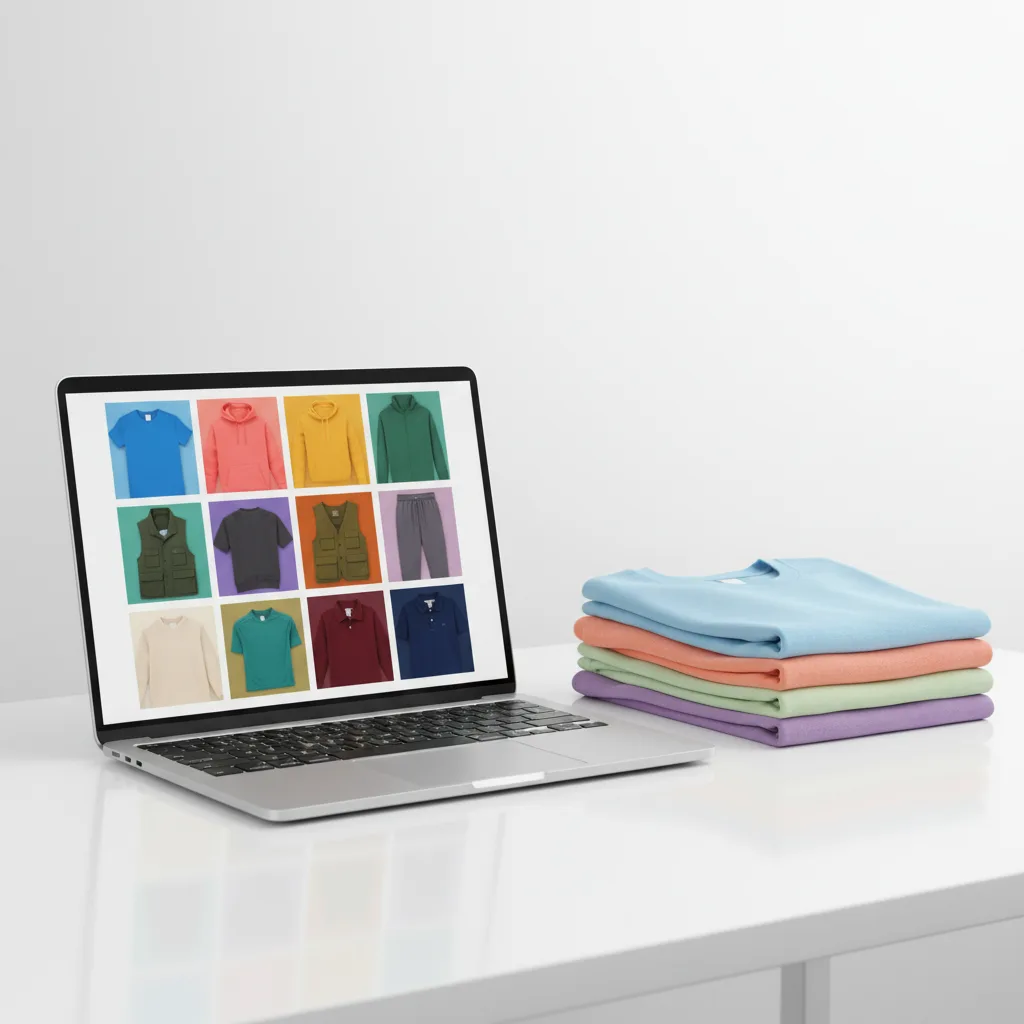
Where to Sell Your Products
Etsy
Etsy is the #1 platform for starting a custom apparel business online. Millions of buyers specifically come to Etsy looking for custom, personalized, and unique items. The platform's algorithm rewards new sellers who publish high-quality listings with good photos and competitive pricing. Getting your first 10–20 sales on Etsy builds social proof and visibility. Etsy fees are approximately 6.5% transaction fee plus $0.20 listing fee per item.
Local Community and Social Media
Do not underestimate local sales. A Facebook post in your local community group, an Instagram account showing your work, or a presence at a local craft fair or flea market can generate consistent business without shipping logistics. Local customers become repeat customers and referrals.
Your Own Website
Once you have proven demand through Etsy or local sales, launching your own website removes platform fees and gives you full control over the customer relationship. Shopify ($29/month) and Square Online (free tier available) are popular options. A website is more work to drive traffic to but keeps 100% of revenue minus payment processing fees.
Direct to Business
Reaching out directly to local small businesses, restaurants, gyms, salons, and offices to offer branded staff shirts is a high-margin channel. A restaurant with 15 staff members who need matching shirts is a $300–500 order. One B2B client per month can change the economics of your business.
How to Price Your Products
Pricing custom apparel correctly is one of the most important decisions you will make. Price too low and you work yourself to exhaustion for minimum wage. Price too high without demonstrating value and you lose sales. Here is a framework that works:
Cost-Plus Pricing Formula
Retail Price = (Blank Cost + Transfer Cost + Labor) × Markup
Example for a standard custom tee:
- Blank cost: $5.00 (Gildan 5000, bought in bulk)
- Transfer cost: $2.50 (standard left-chest design from ColorFuse Prints)
- Labor: $2.00 (2 minutes pressing + packaging at $60/hr rate)
- Total cost: $9.50
- 2.5x markup: $23.75 → Round to $24.00
At $24, you have a $14.50 gross profit per shirt before platform fees and shipping. This is a healthy margin for a custom on-demand product.
Market Pricing Check
After calculating your cost-plus price, check what similar products sell for on Etsy and in your local market. If your calculated price is far below market, raise it — you are undercharging and devaluing the market. If it is far above, examine your blank costs and see if you can source more economically at volume.
Building Your Workflow
Efficiency in your production workflow directly translates to profit. Here is an optimized workflow for a home DTF business:
- Order intake: Customer places order with design details and size/color preference
- Design preparation: Prepare or receive artwork file (PNG with transparent background, minimum 300 DPI)
- Transfer order: Order from ColorFuse Prints (2–3 day turnaround)
- Blank sourcing: Order or pull from inventory
- Production day: Pre-wash blanks, press transfers, perform quality check
- Packaging and shipping: Fold, tag, pack, and ship or hand-deliver
Batch similar orders when possible — pressing 10 shirts of the same design in one session is far more efficient than pressing them individually across 10 separate sessions.
Marketing Your Business
Photography Is Everything
On Etsy and Instagram, product photography is your primary marketing asset. Invest time in good flat-lay and lifestyle photos of your finished products. Natural lighting, clean backgrounds, and accurate color representation significantly increase conversion rates. A $20 lightbox kit and your smartphone camera is enough to produce professional-looking product photos.
SEO for Etsy Listings
Etsy's search algorithm rewards listings with keyword-rich titles and tags. Use phrases your customers would actually search for: "custom dog mom shirt," "personalized teacher gift tee," "softball team shirts no minimum." Research what terms competitors use in successful listings. More specific keywords convert better than generic ones.
Instagram and TikTok
Short videos of the pressing process — peeling back the film to reveal the finished print — perform extremely well on TikTok and Instagram Reels. These "reveal" videos get millions of views in the printing niche. Even a modest following translates directly to sales.
Scaling Up
Once your business is generating consistent revenue, scaling options include:
- Second heat press — Doubles production capacity without adding labor cost if you can batch-press
- Hiring a press operator — Part-time help for production allows you to focus on sales and customer service
- Adding sublimation — Tumblers and drinkware with sublimation have excellent margins and a different customer base than apparel
- Wholesale accounts — Supplying other small decorators with blanks + transfers is a B2B revenue stream
- Building a branded product line — Instead of pure custom work, develop a line of original designs that sell repeatedly without new production setup
Previous
Sublimation Tumbler Printing: The Complete Guide for Beginners
Next
DTF Transfers vs Screen Printing: Which Is Better for Your Order?
Shop DTF Transfers
View all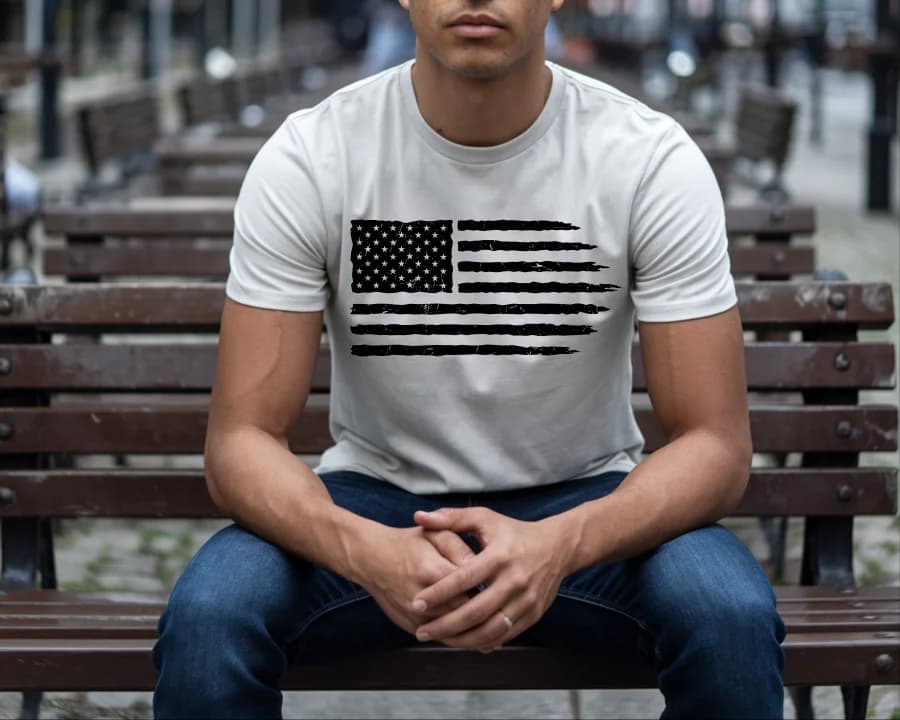
DTF Transfers
Grunge Flag
High Quality DTF Transfers, Ready to press Heat Transfers
DTF Transfers
Gamers Life Ready-To-Press DTF Transfer
High Quality DTF Transfers, Ready to press Heat Transfers
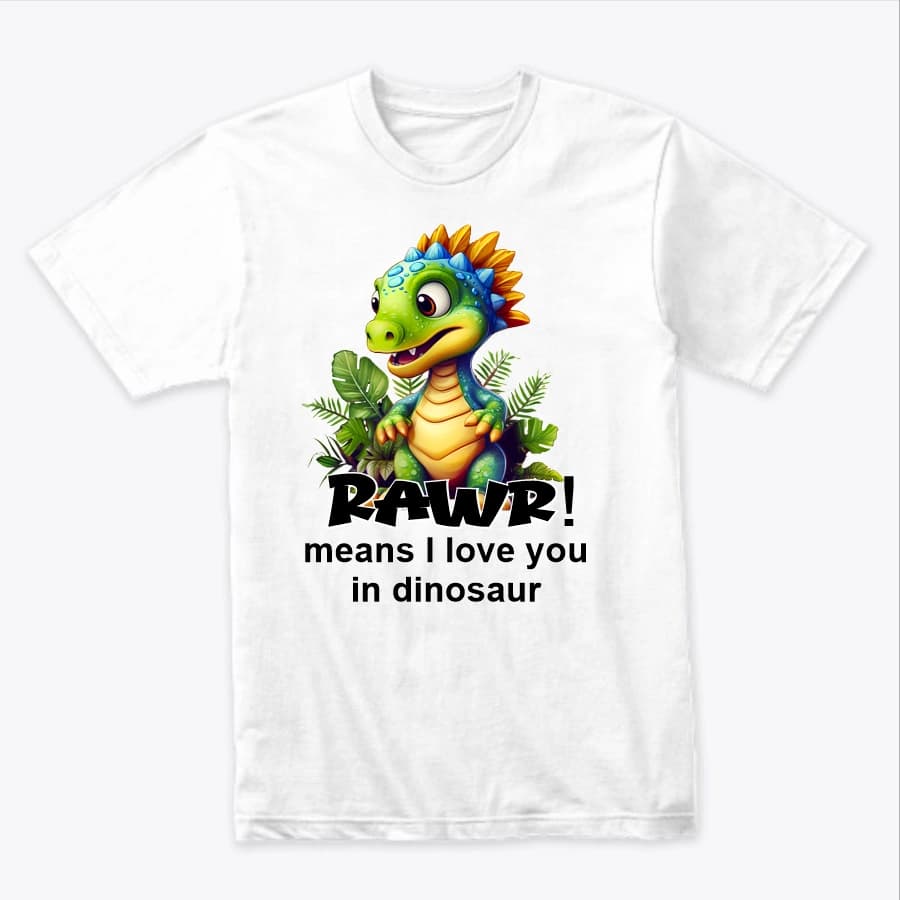
DTF Transfers
Rawa means I Love You
Rawa means I Love You -- Heat-applied DTF transfer for cotton, polyester, and any color fabric. Soft-feel finish, no weeding required.
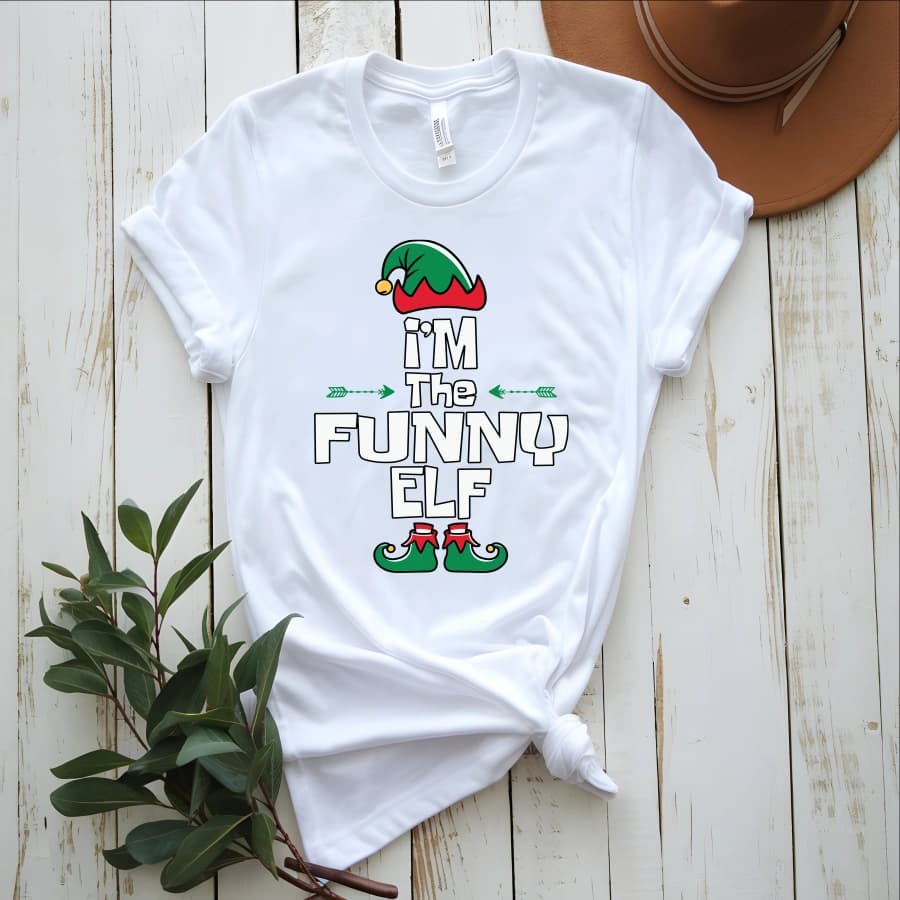
DTF Transfers
I'm the funny elf
I'm the funny elf -- Heat-applied DTF transfer for cotton, polyester, and any color fabric. Soft-feel finish, no weeding required.
Ready to press your next design?
Shop premium DTF transfers and sublimation products. No minimums. Ships in 2-3 business days.
Browse All Products