How Long Do DTF Transfers Last?
When pressed correctly and cared for properly, a DTF transfer should last 50 to 100+ wash cycles before showing any meaningful degradation. Many well-pressed DTF garments maintain excellent print quality for the entire lifespan of the shirt itself.
The factors that determine how long a DTF transfer lasts:
- Press quality — Was the transfer pressed at the correct temperature, time, and pressure? A correctly bonded transfer starts with a strong foundation.
- Washing habits — Hot water, inside-out washing, and the type of detergent all impact longevity.
- Drying method — High heat in the dryer is one of the fastest ways to degrade a DTF transfer.
- Fabric type — DTF transfers tend to last longer on tightly woven fabrics than on loose, stretchy fabrics where the design is constantly being flexed.
Correct Washing Instructions
Turn Inside Out
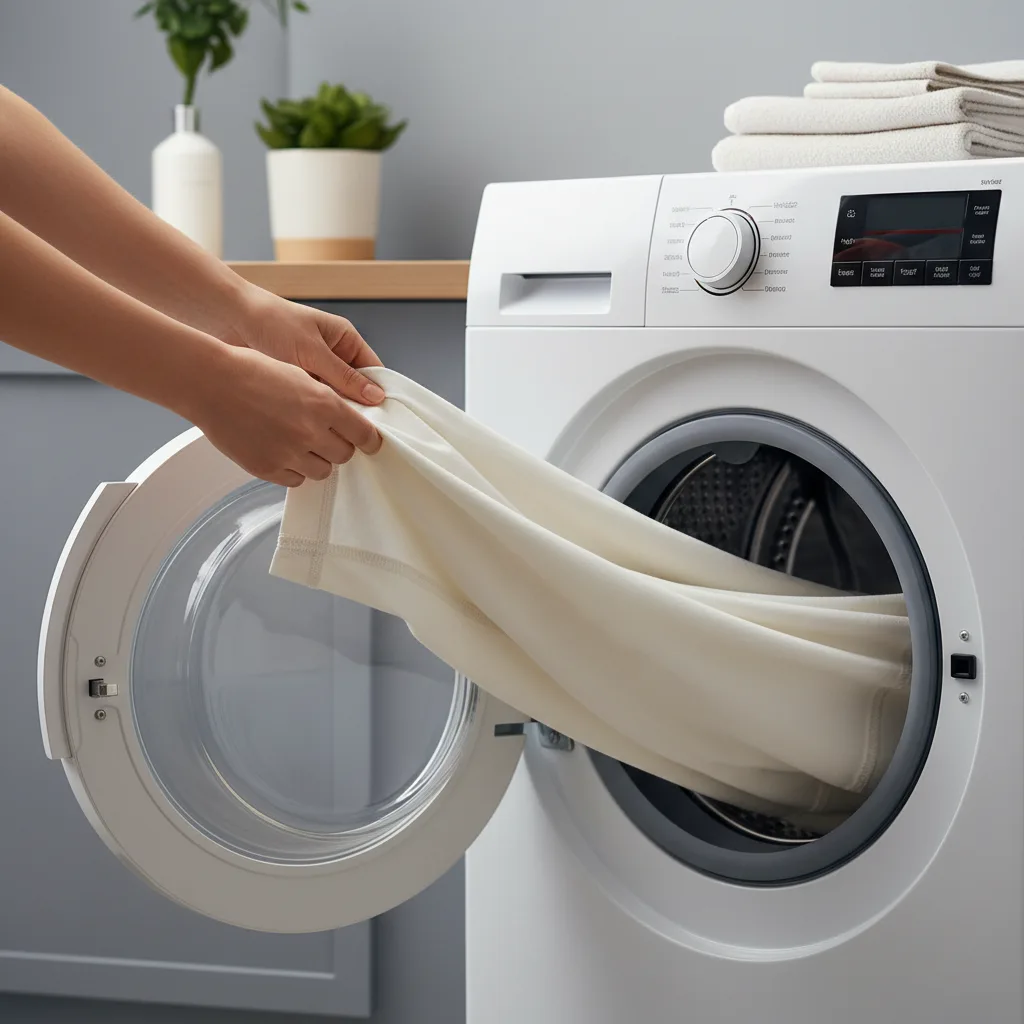
This is the single most impactful care habit. When a garment is washed right-side out, the print is in constant contact with other garments and the drum of the washing machine, creating friction that slowly abrades the surface of the transfer. Turning inside out protects the print from direct abrasion during the wash cycle.
Use Cold Water
Wash in cold water (60°F / 15°C or lower). Hot water causes two problems: it relaxes the adhesive bond between the ink layer and the fabric, and it causes the fabric itself to shrink and expand, which puts stress on the transfer. Cold water cleans effectively while preserving the bond.
Gentle Cycle
Use the gentle or delicate cycle to minimize agitation. High-agitation wash cycles create more friction and mechanical stress on the transfer. For heavily soiled garments, a regular cycle is acceptable — just ensure you are using cold water and the garment is inside out.
Mild Detergent
Use a mild, gentle laundry detergent. Avoid detergents with optical brighteners, which use UV-reactive chemicals that can interact with and degrade the ink layer over time. Standard gentle detergents like Woolite or any "free and clear" formula work well.
| Wash Setting | Recommended | Acceptable | Avoid |
|---|---|---|---|
| Temperature | Cold (60°F) | Cool (80°F) | Warm or hot |
| Cycle | Gentle/Delicate | Normal | Heavy duty |
| Detergent | Mild, dye-free | Standard gentle | Bleach, optical brighteners |
| Orientation | Inside out | — | Print-side out |
How to Dry DTF Shirts
Air Dry (Best Option)
Air drying is the gentlest option for DTF transfers. Lay the garment flat or hang it to dry away from direct sunlight. UV exposure over time can cause slight fading in any printed garment. Air drying also prevents the fabric shrinkage that can stress the transfer.
Tumble Dry Low (Acceptable)
Tumble drying on a low-heat setting is acceptable for most DTF transfers. Low heat tumble drying (under 130°F / 54°C) does not generate enough heat to meaningfully damage the adhesive bond. The mechanical tumbling action is a greater concern than the heat at low settings.
High Heat (Avoid)
High-heat dryer settings (the normal or heavy-duty cycle on most dryers) can reach 135–145°F, which begins to approach the activation temperature of some DTF adhesives. Repeated exposure to these temperatures over many wash-dry cycles will gradually weaken the adhesive bond, causing edge lifting and eventual peeling.
Can You Iron a DTF Transfer?
Yes, but with important precautions:
- Never iron directly on the transfer — The iron's heat combined with the scraping motion can damage the ink layer and shift the adhesive
- Iron from the inside of the garment — Turn the shirt inside out and iron on the reverse side of the design area
- Use a Teflon sheet or parchment paper as a barrier — If you must iron the front of the shirt near the design, always place a protective barrier between the iron and the transfer
- Use medium heat setting — Steam settings are fine
In practice, most DTF garments do not need ironing. The flexible nature of the transfers means they do not crease in the way that rigid prints do. If the shirt itself is wrinkled, ironing from the inside is safe.
What to Avoid
Bleach
Bleach — whether chlorine bleach or oxygen bleach — damages DTF transfer inks. Chlorine bleach is particularly destructive, stripping the color from the ink within a few washes. Even "color-safe" bleaches can degrade the ink layer over time. Avoid entirely.
Fabric Softener
Liquid fabric softener and dryer sheets both leave a coating on fabric fibers that can gradually reduce the adhesion between the transfer and the fabric. This effect is slow but cumulative — over 20+ washes with fabric softener, the transfer begins to lift at edges where the coating has built up. Use dryer balls instead of dryer sheets, and skip fabric softener in the wash cycle.
Dry Cleaning
Dry cleaning solvents are not compatible with DTF transfers. The chemical solvents used in dry cleaning can dissolve the adhesive layer and destroy the transfer. Do not dry clean DTF-printed garments.
Soaking
Prolonged soaking in water (more than 30 minutes) can gradually weaken the adhesive bond, especially if the water is warm. Quick pre-soak for stain treatment is fine, but do not leave DTF garments to soak overnight.
Pressure Washing
This seems obvious, but the high-pressure spray from a pressure washer will strip a DTF transfer immediately. Not applicable to clothing, but relevant if you are applying DTF to fabric accessories, bags, or similar items that might be cleaned differently.
What to Put on Care Labels
If you are selling DTF-decorated apparel, adding or including a care card with the correct wash instructions protects both your product and your customers. Here is the recommended care label text:
• Machine wash cold, gentle cycle, inside out
• Tumble dry low or air dry
• Do not bleach
• Do not use fabric softener
• Iron on reverse side only, medium heat
• Do not dry clean
Including these instructions as a printed care card, hang tag, or sewn-in label sets customer expectations correctly and reduces returns and complaints about print longevity.
Care FAQ
My transfer started peeling after 5 washes. What went wrong?
Early peeling almost always traces back to the press, not the care. Common causes: temperature too low, insufficient pressure, or fabric moisture at time of pressing. Recheck your press settings and technique. If you know the press was correct, check whether high-heat drying was used.
Can I put a DTF shirt in the dishwasher?
No. Dishwashers use very hot water (130–170°F) and powerful detergents. A single dishwasher cycle would destroy a DTF transfer.
Does washing change the feel of a DTF transfer?
Slightly. Fresh DTF transfers can have a subtle texture or slight tackiness. After the first few washes, this breaks in and the transfer feels softer and more like part of the fabric. This softening is normal and not a sign of damage.
Can I remove a DTF transfer if I want to reuse the garment?
Fully bonded DTF transfers cannot be cleanly removed without damaging the fabric. This is a feature (durability) not a bug. If you need to remove a transfer, heating it and carefully peeling while hot may remove most of the ink, but residue will likely remain.
Previous
DTF Transfers vs Screen Printing: Which Is Better for Your Order?
Next
Perfect Heat Press Settings for DTF Transfers: Temperature, Time, and Pressure
Shop DTF Transfers
View all
DTF Transfers
Grunge Flag
High Quality DTF Transfers, Ready to press Heat Transfers
DTF Transfers
Gamers Life Ready-To-Press DTF Transfer
High Quality DTF Transfers, Ready to press Heat Transfers
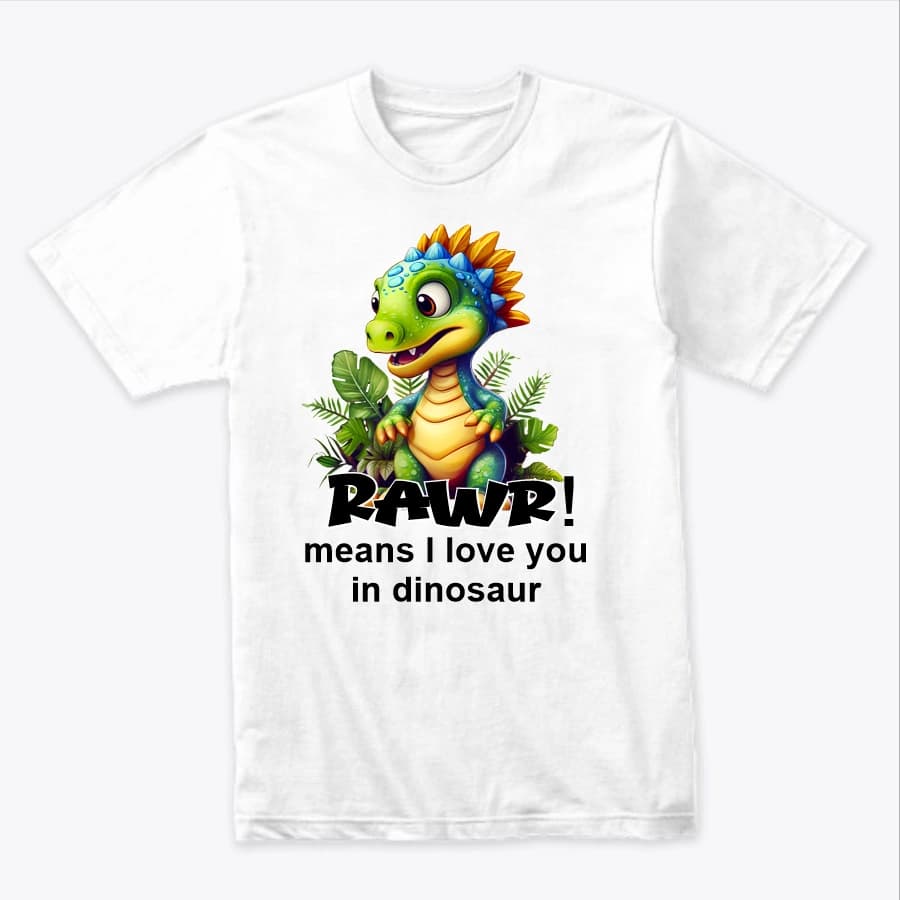
DTF Transfers
Rawa means I Love You
Rawa means I Love You -- Heat-applied DTF transfer for cotton, polyester, and any color fabric. Soft-feel finish, no weeding required.
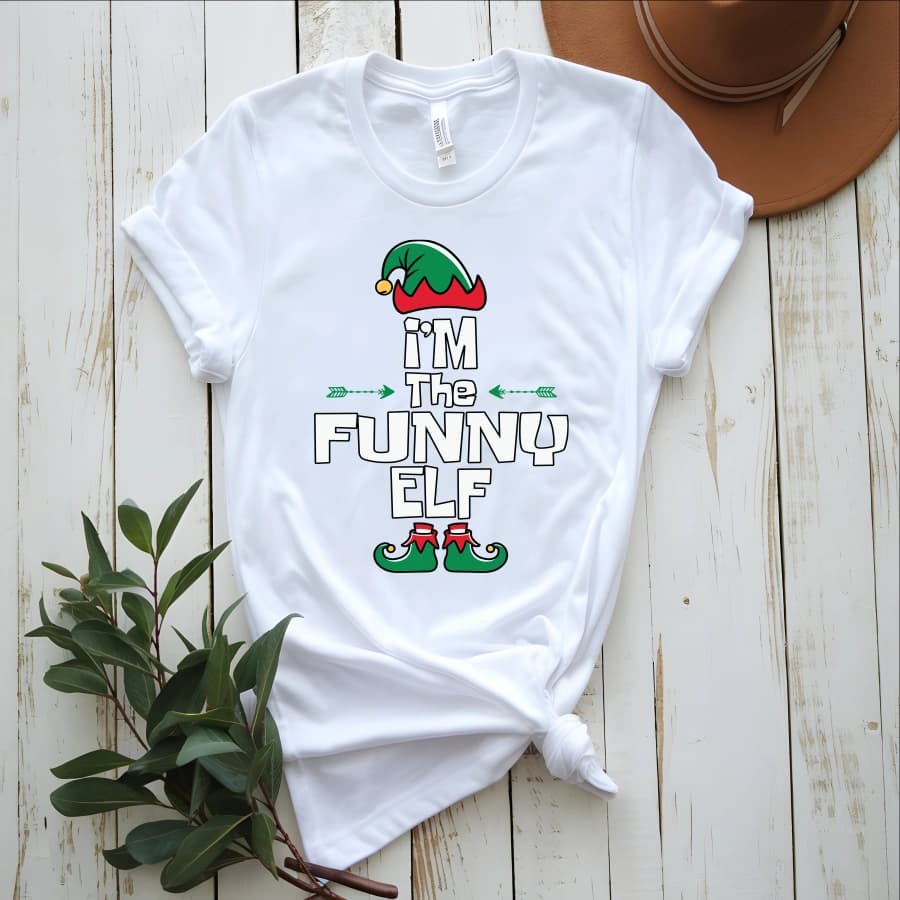
DTF Transfers
I'm the funny elf
I'm the funny elf -- Heat-applied DTF transfer for cotton, polyester, and any color fabric. Soft-feel finish, no weeding required.
Ready to press your next design?
Shop premium DTF transfers and sublimation products. No minimums. Ships in 2-3 business days.
Browse All Products