Why No Minimum Matters
For decades, custom apparel printing had a floor. Screen printers needed 12, 24, or 48 pieces before the setup math worked. Embroiderers wanted 6-piece minimums. Even most local vinyl cutters charged a "one piece" premium that made a single shirt cost the same as five.
That model shut out a lot of real customers. Bachelorette parties buying eight shirts. Etsy sellers testing a new design before committing inventory. Youth soccer coaches making one keeper jersey. Small churches needing a single memorial tee. All of them either overpaid, overordered, or gave up.
Small-batch DTF flipped that. The technology has no per-design setup step, no screens to burn, no cutter to reload, no color changes. If the printer can fit your art on the roll, it prints. That is why "no minimum" is not a marketing promise -- it is a physical property of how DTF machines actually work.
How Small-Batch DTF Works
Understanding the production flow helps you see why single-piece pricing is even possible. Here is what happens after you click order.
Step 1: Your Art Joins a Gang Sheet
DTF printers pull artwork from a queue and nest it together on a shared sheet of PET film -- usually 22 inches wide by whatever length the batch calls for. Your 10 inch design lands next to another customer's 6 inch design, then a repeating logo, then a name-and-number set. Nothing is wasted.
This nesting is the secret ingredient. A screen printer has to build a new screen for every order, so a single-piece job carries the full setup cost alone. A DTF printer just adds your file to whatever is printing next. Your share of the machine's runtime is proportional to your art's area, not the job's existence.
Step 2: Print, Powder, Cure
The gang sheet moves through the printer in one pass -- white ink first, then CMYK color layers on top. Immediately after printing, while the ink is still wet, a hot melt adhesive powder is applied and shaken off the non-print areas. The sheet then passes through a curing oven that melts the powder into a flexible, ready-to-press film.
The whole sequence takes minutes per sheet regardless of how many separate designs are on it. That is why a shop can accept a single-piece order without losing money -- the machine time is the same either way.
Step 3: Cut and Ship
Once the sheet is cured, each individual design is cut out and grouped by order. Your transfer gets slipped into a rigid mailer with pressing instructions and shipped. From upload to doorstep is typically 3 to 7 business days for a small custom order.
DTF vs Vinyl vs Screen Printing for Small Runs
When you need one to twenty custom pieces, only three methods really compete: DTF transfers, heat transfer vinyl (HTV), and screen printing. Here is how they stack up.
| Method | Minimum Order | Setup Cost | Cost per Piece (1 shirt) | Full Color? | Fabric Options |
|---|---|---|---|---|---|
| DTF Transfers | 1 piece | $0 | $3 to $8 for a 10 inch design | Yes, photographic detail | Cotton, poly, blends, canvas, denim |
| Heat Transfer Vinyl | 1 piece | $0 | $2 to $5 per color layer | No, one color per layer | Most fabrics but layered vinyl gets stiff |
| Screen Printing | 12 to 24 typical | $20 to $40 per color | $25 to $50 for one shirt due to setup | Yes but each color costs extra | Cotton and blends |
Vinyl works fine for a plain name-and-number, but as soon as your design has more than two or three colors, cutting and weeding each color layer eats up the time savings. DTF handles a full-color photograph with the same effort as a single-color logo.
Screen printing wins on price above about 24 pieces of a single design. Below that, the setup fees swallow any per-piece savings. For custom heat transfers with no minimum, DTF is the right tool almost every time.
What You Need to Order a Single Transfer
Ordering one custom DTF transfer is genuinely simple, but the file you upload determines whether it presses beautifully or looks fuzzy. Here is what a small-batch shop needs from you.
1. A High-Resolution Image
Aim for 300 DPI at the final print size. A 10 inch wide design should be 3000 pixels wide. PNG format is preferred because it supports transparent backgrounds. JPG is acceptable if the background is truly white or matches the shirt color. Vector files (AI, SVG, PDF) are ideal because they scale without losing quality.
2. A Transparent Background (Usually)
DTF only prints ink where your art has pixels. A transparent PNG means only the design bonds to the shirt. If you upload a JPG with a white background, that white background will print as white ink and show up as a rectangle around your art on a colored shirt.
3. The Finished Size
Adult chest prints are typically 10 to 12 inches wide. Left-chest logos are 3 to 4 inches. Youth prints range from 6 to 9 inches. Full-back prints run 11 to 14 inches. Choose the size at checkout -- most shops price by finished dimensions in inches.
4. That is It
No color count, no minimum quantity, no setup fee, no design approval delays for standard artwork. Upload, choose a size, check out.
The Real Cost of One-Off Transfers
Because DTF is priced by finished size, a single custom transfer generally lands in one of these ranges.
| Transfer Size | Typical Use | Single-Piece Price |
|---|---|---|
| 3 to 4 inch | Left-chest logo, hat, sleeve | $2 to $4 |
| 6 to 7 inch | Toddler and youth prints | $3 to $5 |
| 9 to 10 inch | Standard adult chest | $4 to $7 |
| 11 to 12.5 inch | Large adult chest, 2XL to 4XL | $6 to $10 |
| Full-back sheet | Back prints, jerseys | $10 to $18 |
Where the math really pays off is shipping. A single transfer in a rigid flat mailer ships for a few dollars, which means the fully landed cost of one custom shirt (blank tee + transfer + press it yourself) often lands under $12. Compare that to $25 to $50 for one screen-printed shirt and it is easy to see why hobby crafters and micro-brands have moved to DTF entirely.
If you plan to order regularly, gang sheets stretch every dollar further. See how much DTF transfers cost for a full pricing breakdown.
Who Benefits Most from No-Minimum DTF
Etsy and eBay Sellers
Print-on-demand marketplaces reward sellers who list many designs without holding inventory. No-minimum DTF lets you list 50 designs and only produce the ones that actually sell. No dead stock, no capital tied up in shirts nobody wanted.
Small Business Owners
Coffee shops needing five staff tees. Landscaping crews outfitting three new hires mid-season. Yoga studios doing a one-time event shirt. All of these break the traditional 24-piece minimum and end up paying screen-printing setup fees they cannot spread out. DTF fixes that.
Crafters and DIY Apparel Folks
If you own a heat press, DTF turns you into a full-service custom apparel maker overnight. Order the transfers, keep blanks on hand, and produce custom shirts on demand for family, friends, and side-hustle customers. Our heat press settings tool walks you through the exact temperature and time for every material.
Coaches, Teachers, and Church Groups
Team spirit shirts for six kids. A single retirement gift tee. A memorial shirt for one family member. These orders were painful before DTF -- now they are one upload and a $7 transfer.
Faith-Based Sellers
Christian apparel is a huge organic-growth niche and it thrives on frequent new designs. Rather than commit to 24 shirts of every idea, sellers can test one design at a time. Browse our Christian transfer collection for examples of designs that started as small-batch tests.
How to Order a Custom Transfer from ColorFuse
ColorFuse Prints is a small US shop based in Texas that specializes in no-minimum DTF and sublimation transfers. Rita Carnes runs the operation and personally reviews custom art before it goes to press. Here is how to place a single-piece custom order.
Option 1: Order from the Shop
If you like a design that already exists in the catalog, head to DTF transfers or sublimation prints, pick a size, and check out. Everything ships in 3 to 5 business days and orders over $75 ship free.
Option 2: Upload Your Own Art
Use the custom order form to send your artwork, finished size, and quantity (which can absolutely be one). You will get a confirmation with the exact price, and if the art needs any adjustments -- resolution too low, background not transparent -- Rita will reach back out before printing.
Option 3: Ask a Question First
If you are unsure about art specs, sizing, or what will look best on a dark shirt versus a light shirt, the FAQ page covers the most common questions. Anything not answered there can go through the custom order form as a question.
Pressing Your Transfer
DTF transfers from ColorFuse press at 300 degrees Fahrenheit for 15 seconds with medium-firm pressure, then cool peel. Sublimation prints run hotter (400 degrees Fahrenheit) and require polyester substrates. The heat press settings tool in the navigation gives the exact numbers for every material combination.
Small-Batch DTF Is the New Normal
The old minimum-order world was built around expensive setup steps that no longer exist. DTF removed those steps, and the ripple effect has been enormous: hobbyists, side hustlers, small teams, and micro-brands can now compete with much larger operations on quality, without needing to buy or store hundreds of pieces of inventory.
Whether you need one custom transfer for a single shirt or a hundred variations for an Etsy shop, the same technology and roughly the same per-piece price apply. That is the real story behind "no minimum" -- not a policy, but a physics-of-printing outcome that finally works in the small buyer's favor.
Frequently Asked Questions
Can I really order just one custom DTF transfer?
Yes. Because DTF has no per-design setup cost, a shop can profitably print a single transfer as part of a larger gang sheet. Expect to pay roughly $3 to $8 for a standard 10 inch design plus shipping.
Do no-minimum shops charge more per piece than bulk shops?
Slightly, but the gap is small. A single 10 inch DTF transfer might cost $6, while the same design in a 20-piece gang sheet drops to about $3 each. There is no giant setup surcharge -- the price scales linearly with square inches of film used.
What file format should I upload for a custom transfer?
A 300 DPI PNG with a transparent background is ideal. Vector formats like AI, SVG, or PDF also work well because they scale without losing quality. Avoid low-resolution JPGs from social media -- they will print pixelated.
How long does a single-piece custom DTF order take?
Typical turnaround is 3 to 7 business days from art approval to delivery. Custom art usually adds one to two days for review versus stock designs, which can ship the next business day.
Can I press a DTF transfer without a professional heat press?
Household irons produce inconsistent temperature and pressure and are not recommended for DTF. Entry-level clamshell heat presses start around $150 and produce reliable results at the 300 degree Fahrenheit and 15 second specs DTF requires.
What sizes are available for no-minimum custom transfers?
Most shops offer sizes from 5 inch infant designs up to 12.5 inch adult 3XL-4XL prints. ColorFuse stocks the full range so you can order a matching design in multiple sizes for a family or team without any per-size minimums.
Previous
Cricut EasyPress and DTF Transfers: Does It Actually Work?
Next
DTF File Prep: PNG Requirements, Transparent Backgrounds, and DPI
Shop DTF Transfers
View all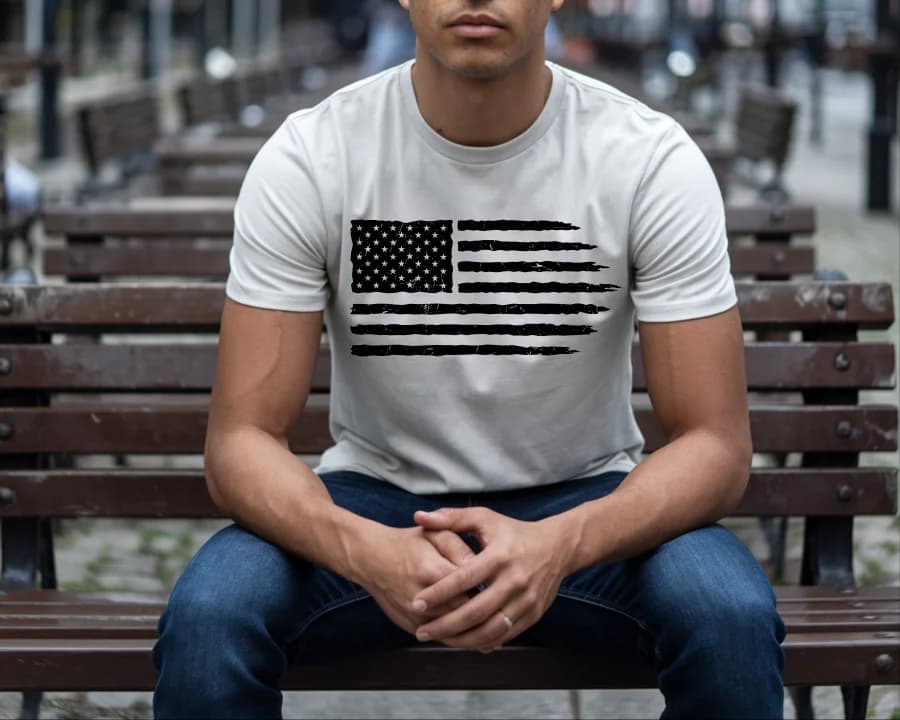
DTF Transfers
Grunge Flag
High Quality DTF Transfers, Ready to press Heat Transfers
DTF Transfers
Gamers Life Ready-To-Press DTF Transfer
High Quality DTF Transfers, Ready to press Heat Transfers
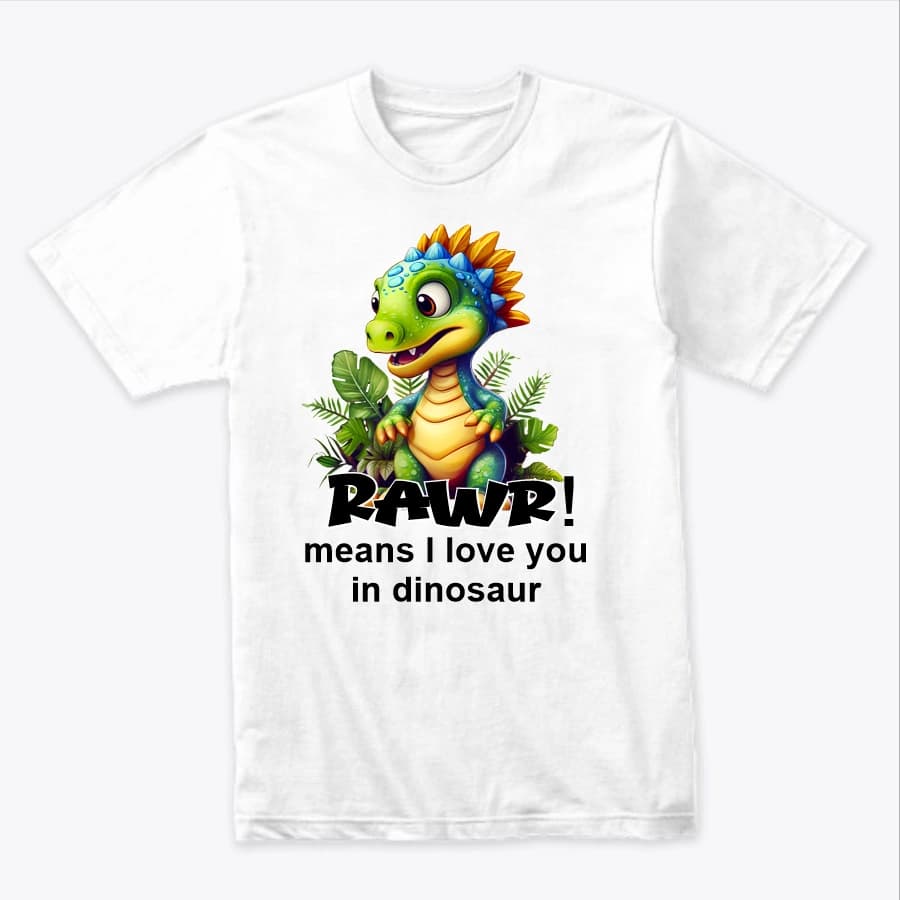
DTF Transfers
Rawa means I Love You
Rawa means I Love You -- Heat-applied DTF transfer for cotton, polyester, and any color fabric. Soft-feel finish, no weeding required.
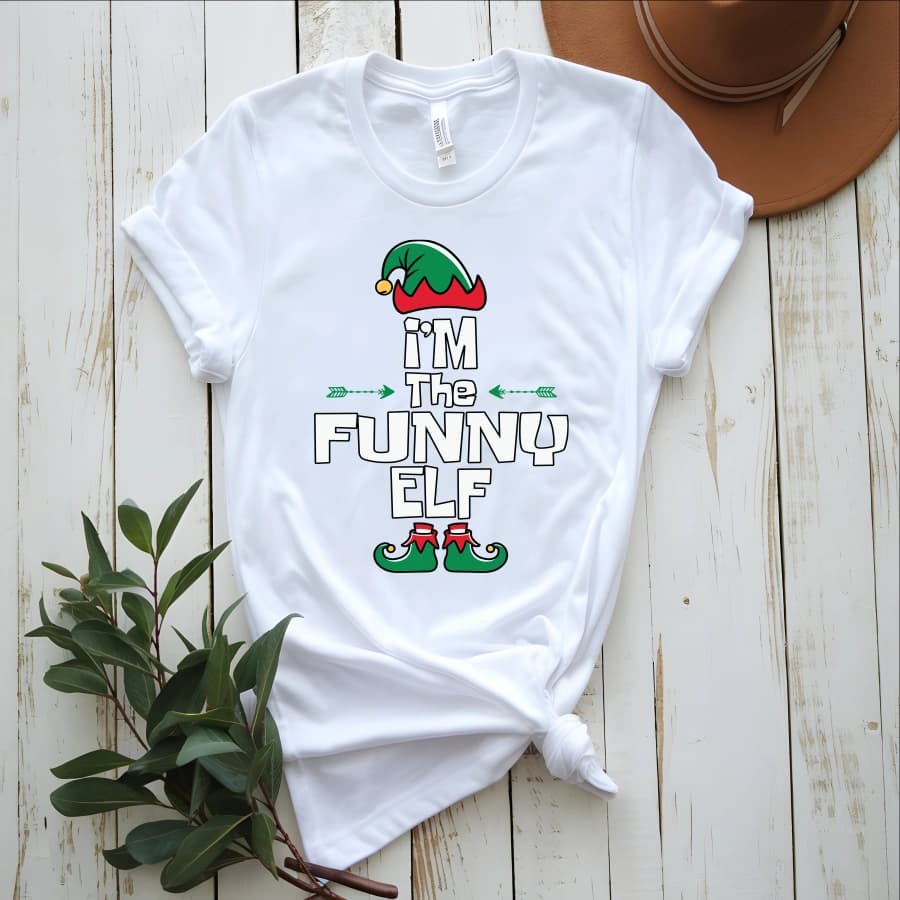
DTF Transfers
I'm the funny elf
I'm the funny elf -- Heat-applied DTF transfer for cotton, polyester, and any color fabric. Soft-feel finish, no weeding required.
Ready to press your next design?
Shop premium DTF transfers and sublimation products. No minimums. Ships in 2-3 business days.
Browse All Products