
Why T-Shirts Still Work as a Fundraiser
Bake sales cap out fast. Car washes depend on the weather. A t shirt fundraiser scales because every supporter walks around as a billboard for weeks. Churches use them for mission trips and youth camps. Schools use them for field days, spirit weeks, and senior class gifts. Nonprofits use them for walks, awareness months, and memorial runs. The formula is the same every time -- design once, sell many, deliver in a single batch.
What has changed is the entry point. Ten years ago you needed a minimum order of 72 shirts to make screen printing affordable. Today, print-on-demand transfer methods like DTF let you print a single design on any quantity and any garment color without paying a per-color setup fee. That means a small youth group of 18 kids or a niche nonprofit chapter of 30 members can now run the same kind of custom shirt fundraiser that used to be reserved for big schools.
The Fundraiser Pricing Math
Before you design anything, back into the numbers. Fundraisers fail when the organizer picks a cute price like $20 without knowing the cost stack. Here is the framework we walk every church, PTO, and nonprofit through.
Step 1: Add up your true landed cost per shirt
Landed cost is everything you pay before the shirt reaches the buyer. That includes the blank garment, the transfer or print, shipping to you, and any tax or handling. A common structure looks like this:
- Bella+Canvas 3001 blank tee: $3.50 -- $5.50 depending on color and quantity
- DTF transfer (11" adult chest print): $3.50 -- $5.00 each
- Heat press labor: your time -- budget $0.50 per shirt if a volunteer presses
- Shipping to you: often free if you cross $75 with a transfer supplier
Total realistic landed cost: $7.50 -- $10.50 per shirt. Cheaper if you buy garments in a case, more expensive if you pick a premium blank like a tri-blend or a heavy hoodie.
Step 2: Pick a sell price the crowd will actually pay
The fundraiser sweet spot for a basic tee is $20 -- $25. Youth ministry parents, PTO parents, and 5K walkers will all pay that without blinking. Cross $30 and you need a premium garment or a very passionate cause to justify it. Under $18 and you are working too hard for too little profit.
Step 3: Confirm the profit per shirt covers the goal
If landed cost is $9 and you sell for $22, your profit per shirt is $13. To raise $2,600 you need to move 200 shirts. If your organization has 300 active members or contacts, that is a realistic 2/3 conversion. If you only have 80 contacts, you need to either raise the price, cut the cost, or add a companion product (like a matching tumbler or hoodie) to hit the goal.
Choosing a Print Method: DTF vs Screen Print vs Vinyl
The wrong print method eats your profit or leaves you with dead stock. Here is a side-by-side of the three methods you will actually consider for a fundraiser tee.
| Factor | DTF Transfer | Screen Print | Heat Transfer Vinyl (HTV) |
|---|---|---|---|
| Minimum viable quantity | 1 | 36 -- 72 | 1 |
| Setup fee per color | None | $20 -- $40 per screen | None |
| Full color / photo designs | Yes, unlimited colors | Expensive above 3 -- 4 colors | No -- one color per cut |
| Cost per shirt (100 qty, 3 color logo) | $4 -- $5 | $2 -- $3 | $3 -- $4 |
| Cost per shirt (25 qty, 3 color logo) | $4 -- $5 | $6 -- $8 with setup | $3 -- $4 |
| Wash durability | 50+ washes | 50+ washes | 30 -- 40 washes |
| Time to press per shirt | 15 seconds | N/A (shop prints) | 60+ seconds (weed + press) |
| Works on dark shirts | Yes | Yes (with underbase) | Yes |
The pattern is clear. Under about 72 shirts of the same design, DTF wins because screen print setup fees swallow the savings. Over 100 identical shirts of a simple 1 -- 3 color design, screen printing pulls ahead on per-unit cost. HTV only makes sense for tiny runs where you already own a vinyl cutter and the design is a single color like a name or number.
If you want to see specific transfer sizes and press specs for the DTF option, check our DTF transfer catalog. Fundraiser designs almost always land on the 10" -- 11" adult chest transfer.
How to Guess the Right Size Mix
Ordering the wrong size mix is how fundraisers end up with a stack of unsold 4XL shirts. If you are running a pre-sale you skip this problem entirely, but if you must stock inventory, use these baselines.
General adult fundraiser mix (100 shirts)
- Small: 8
- Medium: 22
- Large: 30
- XL: 22
- 2XL: 12
- 3XL: 6
Church / mission trip mix (mostly youth + adults)
- Youth Small: 5
- Youth Medium: 8
- Youth Large: 10
- Adult Small: 6
- Adult Medium: 18
- Adult Large: 22
- Adult XL: 18
- Adult 2XL: 10
- Adult 3XL: 3
School spirit / field day (elementary heavy)
- Youth XS: 12
- Youth Small: 20
- Youth Medium: 25
- Youth Large: 20
- Youth XL: 12
- Adult sizes for staff: 11 (spread S -- 2XL)
Always charge $2 -- $3 more for 2XL and above. Blank garment cost jumps at 2XL and you will lose the margin if you flat price everything.
Pre-Sale vs Stocking Inventory
The single biggest lever for fundraiser profit is whether you pre-sell or pre-stock. They are not the same campaign.
Pre-sale (recommended for most groups)
Announce the design, collect orders and money for two weeks, then order exactly what sold plus 10% overage. Zero dead stock, zero cash risk. The downside is that customers wait three to four weeks to get their shirt, which some organizations find hard to sell to impulse donors.
Stock inventory (recommended when you have foot traffic)
Order 50 -- 150 shirts up front in a standard size mix and sell them at events, in the church lobby, at the school pickup line, or at a 5K packet pickup. You lose money on unsold sizes but you capture impulse buys. This only works if you have consistent in-person contact with your buyers.
Hybrid model
Run a two-week pre-sale to lock in your baseline order, then add 30 -- 50 stock shirts in the top three sizes (M / L / XL) for walk-up sales at the event itself. This is what most experienced fundraiser organizers land on after their second or third campaign.
Art File Specs That Do Not Get Bounced Back
Nothing kills a fundraiser timeline like getting your art file rejected two days before the deadline. Here is what a transfer shop actually needs from you.
File format
PNG with a transparent background is the universal format. Vector files (AI, EPS, SVG, or PDF with embedded fonts outlined) are even better because they scale without pixelation. Avoid JPGs -- they always have a white background you did not know was there.
Resolution and size
Set your artwork at 300 DPI at the actual print size. For a 10" wide chest print, that means your PNG should be 3000 pixels wide. Smaller files pixelate when they hit the printer. If you designed a logo on a phone or in a slideshow tool, it is almost certainly too low resolution -- rebuild it or ask a designer to vectorize it.
Color mode
Design in RGB for DTF. CMYK looks correct on screen but shifts on some printers. Stick to solid, high-contrast colors -- gradients over dark shirts sometimes show a subtle halo unless the white underbase is dialed in.
Bleed and safe zones
Leave at least a quarter inch of clear space around any text or logo edge. Do not put text within 3/4" of the shirt neck seam or armhole -- it looks cramped once pressed.
A Realistic Timeline From Idea to Delivery
Fundraiser organizers consistently underestimate turnaround. Here is the timeline that actually works.
| Week | Task |
|---|---|
| Week 1 | Finalize design concept, get board / pastor / principal approval, lock in blank color and style |
| Week 2 | Order a sample transfer + blank, press one shirt, take photos for the sales flyer |
| Week 3 -- 4 | Launch the pre-sale (order form + payment collection), promote weekly |
| Week 5 | Close pre-sale, tally sizes, place the full order for transfers and blanks |
| Week 6 | Transfers and blanks arrive, press day with volunteers |
| Week 7 | Distribute shirts to buyers, take group photo, thank donors |
Seven weeks from idea to shirt in hand is realistic. Trying to compress that into three weeks is where the panicked shipping upgrades and printing mistakes happen.
Church Fundraiser Notes
Church shirts have three consistent patterns worth calling out. First, mission trip shirts almost always feature a country name, a Bible verse, and a year. Keep the verse reference short -- long verses turn into unreadable text at chest print size. Second, VBS (Vacation Bible School) shirts are usually themed and pressed on colored youth tees; check the theme licensor before printing anything that matches a national curriculum brand. Third, memorial and pastoral anniversary shirts tend to be quieter, single-color designs -- these are perfect DTF jobs because you rarely need more than 40 -- 60 pieces.
If you are looking for Christian-themed designs to adapt or use as inspiration, our Christian transfer collection is organized by occasion.
School and PTO Notes
Schools have a different rhythm. The two big pushes are back-to-school (August -- September) for spirit wear and end-of-year (April -- May) for field day, senior class, and graduation. Order shirts at least six weeks before the event and factor in that school administrators need to review the design.
Grade-level shirts (like a "Class of 2038" design) are a repeat annual fundraiser -- design once, tweak the year, run it every fall. Booster clubs for football, band, cheer, and drill team can run 3 -- 4 campaigns per school year using the same base template with sport-specific graphics.
For color psychology, school shirts perform best in the school's actual color, not a "close enough" shade. Have the athletic director or spirit committee sign off on the Bella+Canvas color code before you order.
Nonprofit and Cause-Awareness Notes
Awareness-month shirts (October = breast cancer, September = childhood cancer, May = mental health, etc.) sell hardest when the design is emotional but not clinical. Names on the back -- "In memory of" or "In honor of" -- convert casual supporters into buyers. Personalization is easy with DTF because you can print unique name transfers per shirt without any additional setup fee.
5K and walk shirts should list sponsor logos on the back. Sell sponsorship tiers ($250 = small logo, $500 = medium, $1,000 = large) to offset the entire cost of the shirt run before you sell a single tee to a participant. That turns the shirt itself into pure profit.
Common Mistakes That Kill Fundraiser Profit
1. Under-pricing to be nice
Charging $15 for a shirt that cost you $9 leaves $6 profit -- half of what a $22 shirt yields. Your supporters expect fundraiser pricing to be above retail. Do not apologize for a $22 tee.
2. Ordering too many 2XL and 3XL
Big sizes cost more and sell slower. Follow the size mix guides above and charge extra for them.
3. Skipping the sample press
Press one shirt before you place the full order. Confirm colors, placement, and wash. A $15 sample can save a $500 mistake.
4. Choosing the wrong garment weight
A 3.5 oz "fashion" tee feels flimsy and hurts perceived value. Stick with a mid-weight 4.2 oz shirt like the Bella+Canvas 3001 or a Gildan Softstyle 64000 for the best price-to-quality ratio.
5. Trying to press yourself with a household iron
Do not do this. Household irons cannot hold consistent temperature or pressure. Rent, borrow, or buy a real heat press. Our heat press settings tool gives you the exact time and temperature for whatever transfer + garment combo you are using -- DTF is typically 300F for 15 seconds with firm pressure.
6. Waiting until the last minute
Every rushed order costs more (expedited shipping, expedited printing) and produces worse results. Give yourself the full seven-week window.
7. Forgetting sales tax and payment fees
If you collect payment through a platform like Square, PayPal, or Stripe, expect roughly 3% to disappear in processing fees. Some states also require sales tax collection on tangible goods. Factor 5% into your pricing to cover both without eating your margin.
When to Use a Custom Order Instead
Most fundraiser runs fit neatly into standard transfer sizes and colors. But if your design is unusual -- a full back print, an all-over pattern, an oversized youth camp graphic -- reach out through our custom order form before you assume it will not work. Rita reviews these personally and can often accommodate sizes and quantities that do not show up in the standard catalog.
The same applies to hoodies, long sleeves, and companion items. A fundraiser run that includes tees plus 20 -- 30 hoodies at a $10 upsell can double the total profit without doubling the work.
Final Checklist Before You Order
- Design approved by leadership and free of copyright issues
- Landed cost calculated and profit per shirt confirmed
- Sell price locked in with 2XL+ upcharge
- Print method chosen based on quantity and color count
- Size mix built (or pre-sale form live)
- Sample shirt pressed and photographed
- Timeline built with a two-week press-day buffer
- Heat press access confirmed (borrow, rent, or buy)
- Distribution plan (pickup event, delivery, mailing) in place
Every fundraiser we see succeed hits all nine of those boxes before ordering the full run. Skip one and you are gambling with volunteer time and donor goodwill. Follow the checklist and your first campaign will fund the next one without breaking a sweat.
Frequently Asked Questions
See below for the most common questions we get from fundraiser organizers.
Previous
DTF vs HTV (Heat Transfer Vinyl): Which Should You Use?
Next
Hot Peel vs Cold Peel DTF Transfers: What's the Difference?
Shop DTF Transfers
View all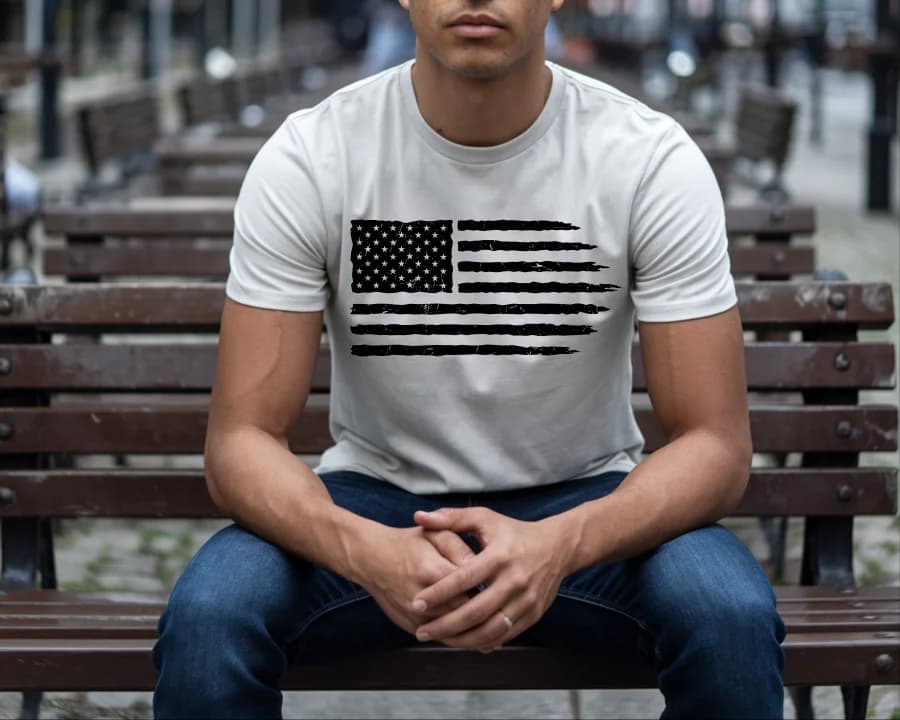
DTF Transfers
Grunge Flag
High Quality DTF Transfers, Ready to press Heat Transfers
DTF Transfers
Gamers Life Ready-To-Press DTF Transfer
High Quality DTF Transfers, Ready to press Heat Transfers
DTF Transfers
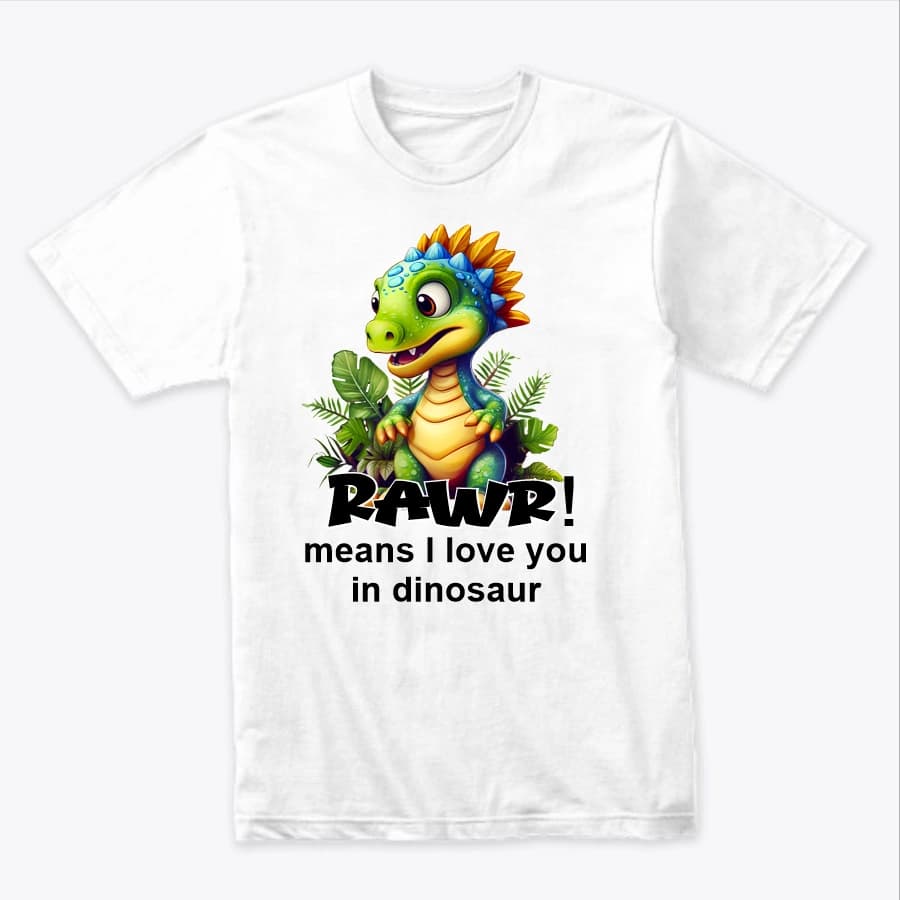
Rawa means I Love You
Rawa means I Love You -- Heat-applied DTF transfer for cotton, polyester, and any color fabric. Soft-feel finish, no weeding required.
DTF Transfers
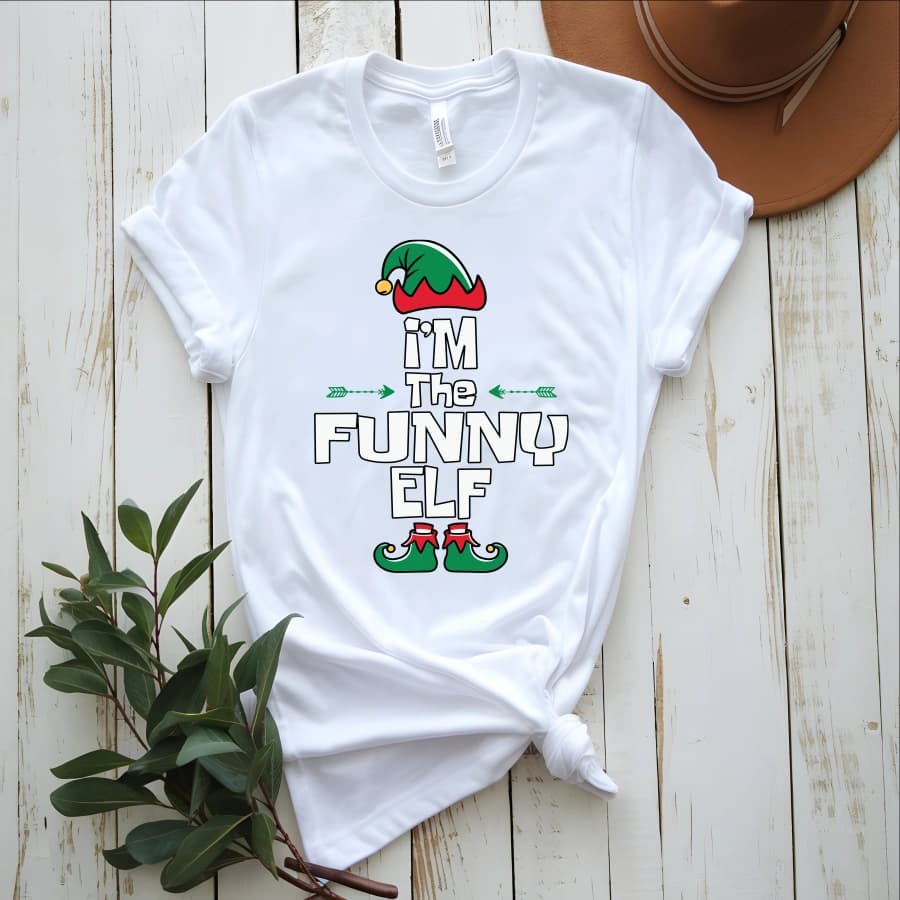
I'm the funny elf
I'm the funny elf -- Heat-applied DTF transfer for cotton, polyester, and any color fabric. Soft-feel finish, no weeding required.
Ready to press your next design?
Shop premium DTF transfers and sublimation products. No minimums. Ships in 2-3 business days.
Browse All Products