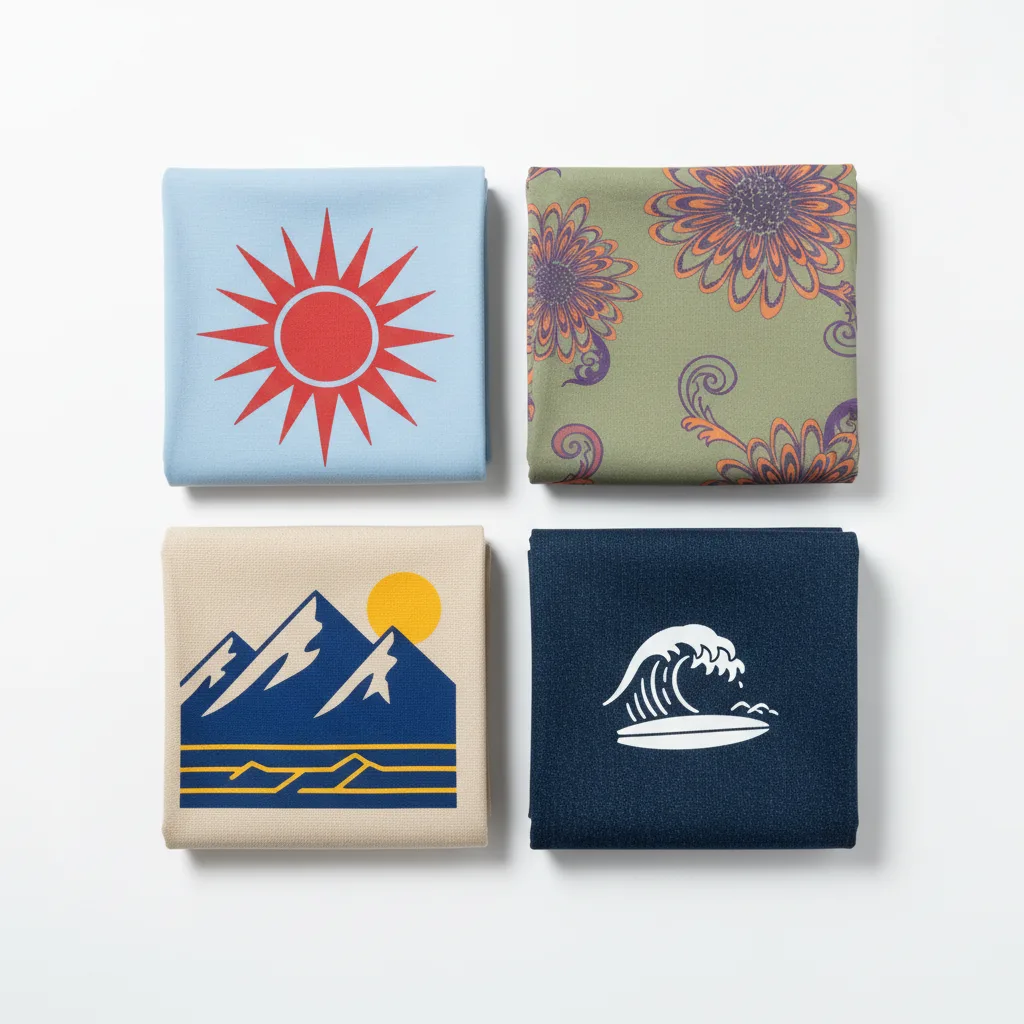
Why Fabric Choice Matters
One of DTF's biggest advantages is its fabric versatility — it bonds to nearly anything you can press with a heat press. But "works on" and "works best on" are different things. Different fabrics require different pressing temperatures, tolerate different levels of heat, and produce different tactile results with the DTF adhesive.
Understanding fabric-specific behavior helps you:
- Set the right temperature and avoid damaging heat-sensitive fabrics
- Understand why a transfer may behave differently on a hoodie vs a tee
- Advise customers on fabric choices for their custom order
- Avoid the small number of fabrics where DTF does not perform well
Cotton
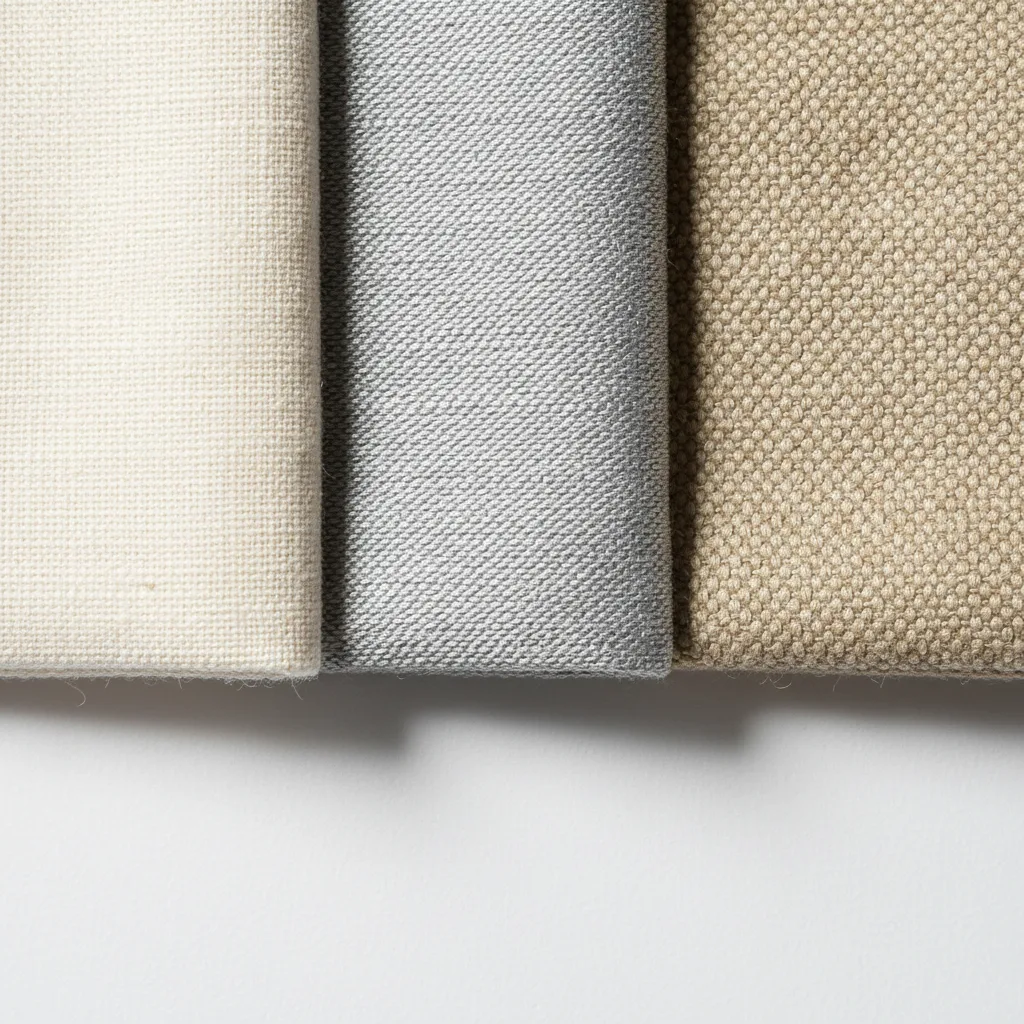
Cotton is the ideal fabric for DTF transfers. The natural fiber structure creates an excellent mechanical bond with the hot melt adhesive — the adhesive wicks into the fibers during pressing and creates a grip that is difficult to dislodge. Combined with cotton's relatively high heat tolerance, this makes 100% cotton the most forgiving fabric for DTF work.
Types of Cotton Garments
- Standard ringspun cotton tees (Gildan 5000, Hanes Beefy-T): Ideal. Most popular blank for DTF decorating.
- Premium combed cotton (Bella+Canvas 3001, Next Level 6210): Excellent results. Softer hand feel complements DTF's thin ink layer.
- French terry and fleece hoodies: Works well. Use extra press time (15 seconds) to ensure heat penetrates the thicker fabric.
- Canvas (100% cotton): Excellent adhesion. Dense weave requires firm pressure and extra time.
Cotton Pressing Settings
- Temperature: 305°F (152°C)
- Time: 12–15 seconds
- Pressure: Medium-firm
Polyester
Polyester is excellent for DTF transfers with one important caveat: polyester is heat-sensitive. At temperatures suitable for cotton (305°F+), polyester can scorch, glaze (develop a shiny, melted-looking surface), or even deform. You must use a lower temperature when pressing on polyester.
Why Polyester Needs Lower Heat
Polyester fibers have a lower melting point than cotton fibers. At 305°F, cotton is completely unaffected, but polyester begins to show heat damage as glazing — the fibers partially melt and compact, creating a shiny, matted appearance in the press area. This is irreversible and ruins the garment. Polyester also has a tendency to scorch at higher temperatures, leaving visible press marks on the fabric.
Polyester Pressing Settings
- Temperature: 285–295°F (141–146°C)
- Time: 12 seconds
- Pressure: Medium
Performance Polyester (Athletic Wear)
Performance polyester tees, jerseys, and activewear are particularly heat-sensitive. Some performance fabrics have special finishes (moisture-wicking treatments, anti-odor coatings) that can be damaged even at 285°F. For high-end athletic wear, test press a small area first and check for any change in the fabric texture or finish before pressing the full design.
Cotton/Poly Blends
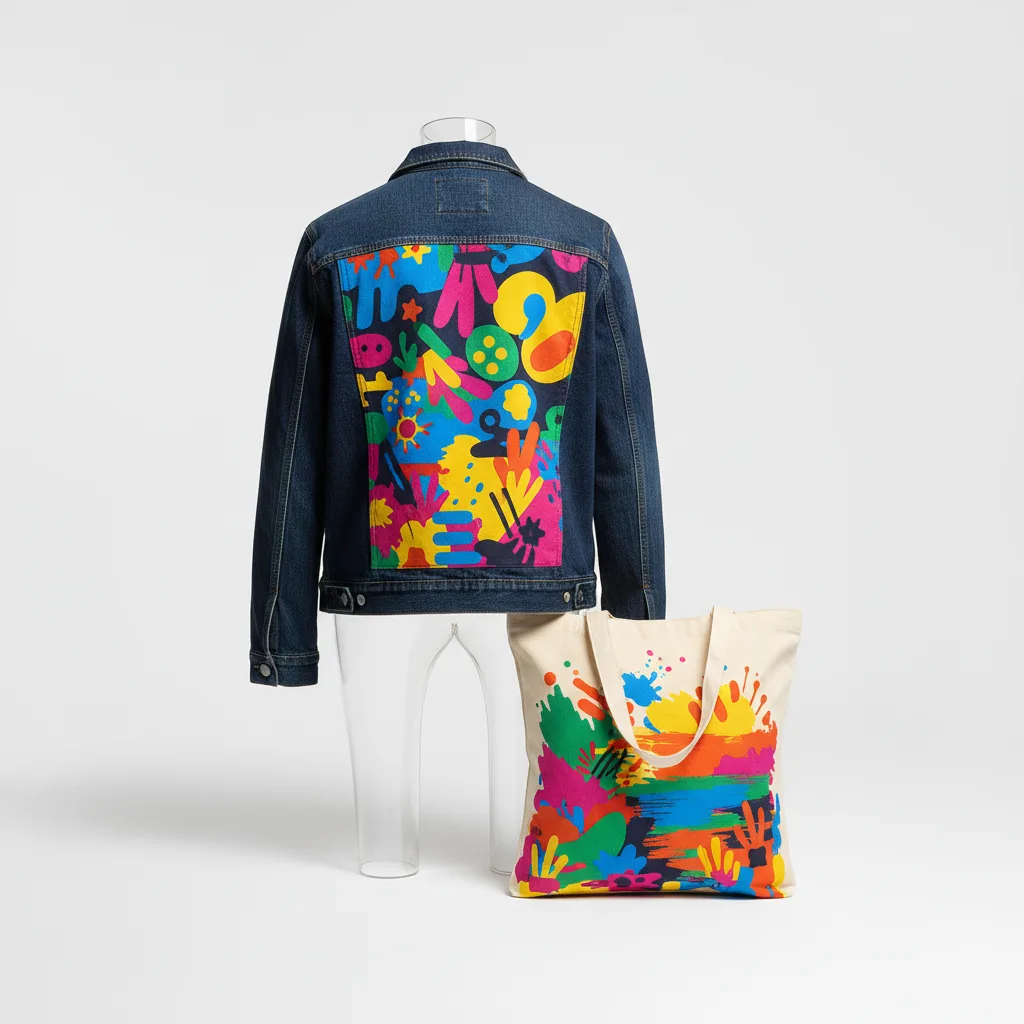
Blended fabrics — the most common being 50% cotton / 50% polyester — are extremely popular for t-shirts and sweatshirts and work well with DTF transfers. The blend ratio determines the correct settings: higher cotton content tolerates higher temperatures; higher polyester content requires lower temperatures.
| Blend Ratio | Recommended Temp | Notes |
|---|---|---|
| 90% cotton / 10% poly | 305°F | Behaves like pure cotton |
| 60/40 cotton/poly | 295–305°F | Slightly lower temp as precaution |
| 50/50 cotton/poly | 295–305°F | Most common blend; standard settings |
| 40/60 cotton/poly | 285–295°F | More poly than cotton — use lower range |
| 10% cotton / 90% poly | 280–285°F | Near-performance settings |
Tri-Blend Fabrics (Cotton/Poly/Rayon)
Tri-blend shirts (e.g., 50% polyester, 25% cotton, 25% rayon) are popular in premium apparel lines. Rayon is very heat-sensitive — more so than polyester. Use a lower temperature (280–290°F) with a short press time (10–12 seconds). Always test on a scrap piece first. Tri-blend fabric is also more prone to heat marks; use a Teflon sheet to prevent shining.
Nylon, Canvas, Denim, Leather
Nylon
Nylon is one of the most heat-sensitive fabrics you will encounter. It can melt, deform, or develop permanent sheen marks at temperatures that other fabrics handle easily. DTF transfers can be applied to nylon, but it requires care.
- Temperature: 270–280°F — Do not exceed 285°F
- Time: 10 seconds
- Pressure: Light to medium
- Always test on a scrap piece first
- Use a Teflon sheet over the transfer to distribute heat
Note: Nylon backpacks, bags, and outerwear shells are common DTF substrates. The inside-facing side of outerwear is often a different fabric than the outside — press from the outside only.
Canvas
Canvas tote bags, aprons, and accessories are excellent DTF substrates. The dense cotton weave provides a good mechanical grip for the adhesive. Canvas requires slightly more press time and firm pressure to ensure heat penetrates the dense fabric. Expect slight texture in the print area from the canvas weave pattern — this is normal and often desirable aesthetically.
- Temperature: 305°F
- Time: 15 seconds
- Pressure: Firm
Denim
Denim is a thick, tightly woven cotton fabric that responds well to DTF transfers. Like canvas, the density requires extra time and firm pressure. Position designs away from rivets, seams, and pocket openings. A silicone pressing pillow inside the garment helps maintain even pressure on uneven denim surfaces.
- Temperature: 305°F
- Time: 15 seconds
- Pressure: Firm
Faux Leather / PU Leather
PU (polyurethane) faux leather can accept DTF transfers, but requires careful heat management. Genuine leather and most PU leathers are heat-sensitive — excessive temperature melts the surface. Use a Teflon sheet and test first.
- Temperature: 275–285°F
- Time: 10 seconds
- Pressure: Light
- Required: Test press on scrap piece first — no exceptions
Fabrics to Avoid
While DTF works on most fabrics, there are some where results are poor or the fabric is damaged by pressing:
100% Rayon / Viscose
Rayon is extremely heat-sensitive and notoriously difficult to press. It scorches easily, wrinkles badly from heat, and the fiber structure does not provide a good mechanical grip for DTF adhesive. DTF transfers can be applied to rayon but results are often poor and the risk of garment damage is high. Avoid unless you have confirmed the specific garment works through testing.
Waterproof / DWR-Coated Fabrics
Waterproof membranes (Gore-Tex, etc.) and DWR (durable water-repellent) coatings are designed to repel water — and they repel DTF adhesive too. Transfers pressed on these fabrics typically peel away cleanly because the adhesive cannot bond to the repellent surface. Not recommended.
Sheer or Ultra-Thin Fabrics
Very lightweight, sheer fabrics cannot absorb the heat press pressure without deforming or tearing. The mechanical force of pressing damages the fabric structure before the adhesive has a chance to bond.
Velvet
The pile structure of velvet is permanently damaged by the heat press. The pile compresses and does not recover. Do not press DTF transfers on velvet.
Full Fabric Comparison Table
| Fabric | DTF Compatibility | Temp | Time | Notes |
|---|---|---|---|---|
| 100% Cotton | Excellent | 305°F | 12–15s | Best all-around choice |
| 100% Polyester | Very Good | 285–295°F | 12s | Lower temp required |
| 50/50 Blend | Excellent | 295–305°F | 12–15s | Most popular blank type |
| Tri-Blend | Good | 280–290°F | 10–12s | Test first; rayon sensitive |
| Nylon | Fair | 270–280°F | 10s | Test first, easy to damage |
| Canvas | Excellent | 305°F | 15s | Firm pressure essential |
| Denim | Excellent | 305°F | 15s | Use pressing pillow |
| Faux Leather | Fair | 275–285°F | 10s | Test first — always |
| Rayon | Poor | 275°F max | 10s | High damage risk |
| Velvet | Avoid | — | — | Pile permanently damaged |
| Waterproof/DWR | Avoid | — | — | Adhesive will not bond |
Previous
10 DTF Transfer Mistakes That Ruin Your Results (And How to Fix Them)
Next
Sublimation Tumbler Printing: The Complete Guide for Beginners
Shop DTF Transfers
View all
DTF Transfers
Grunge Flag
High Quality DTF Transfers, Ready to press Heat Transfers
DTF Transfers
Gamers Life Ready-To-Press DTF Transfer
High Quality DTF Transfers, Ready to press Heat Transfers
DTF Transfers
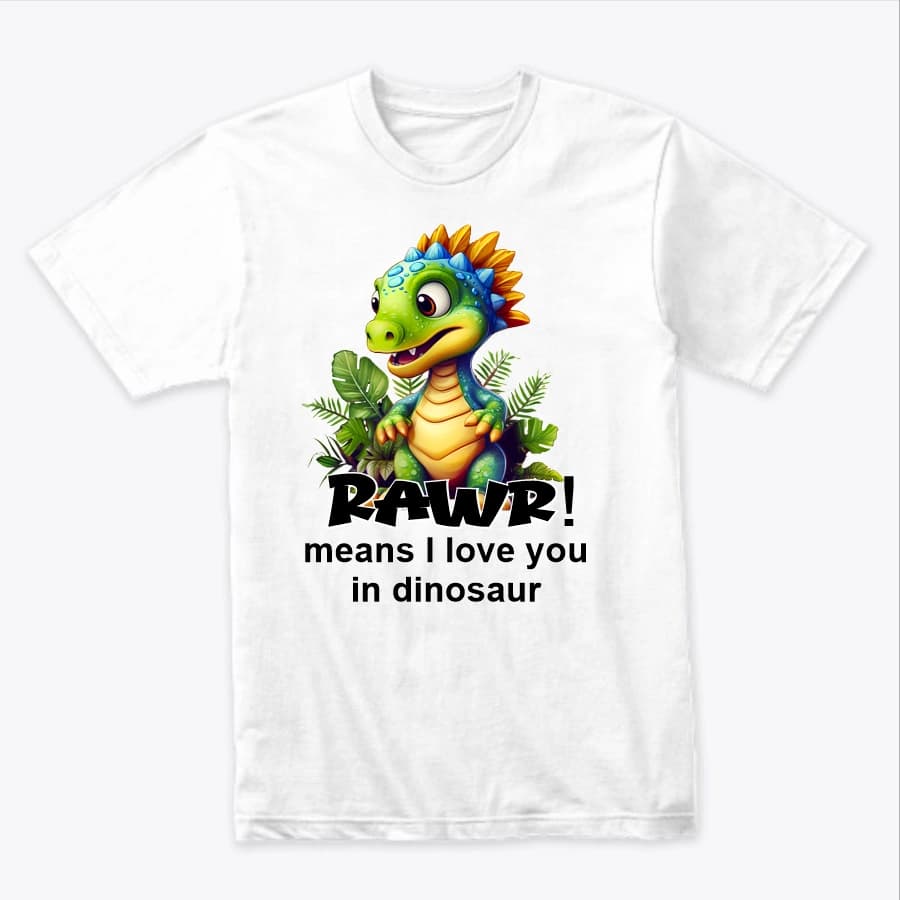
Rawa means I Love You
Rawa means I Love You -- Heat-applied DTF transfer for cotton, polyester, and any color fabric. Soft-feel finish, no weeding required.
DTF Transfers
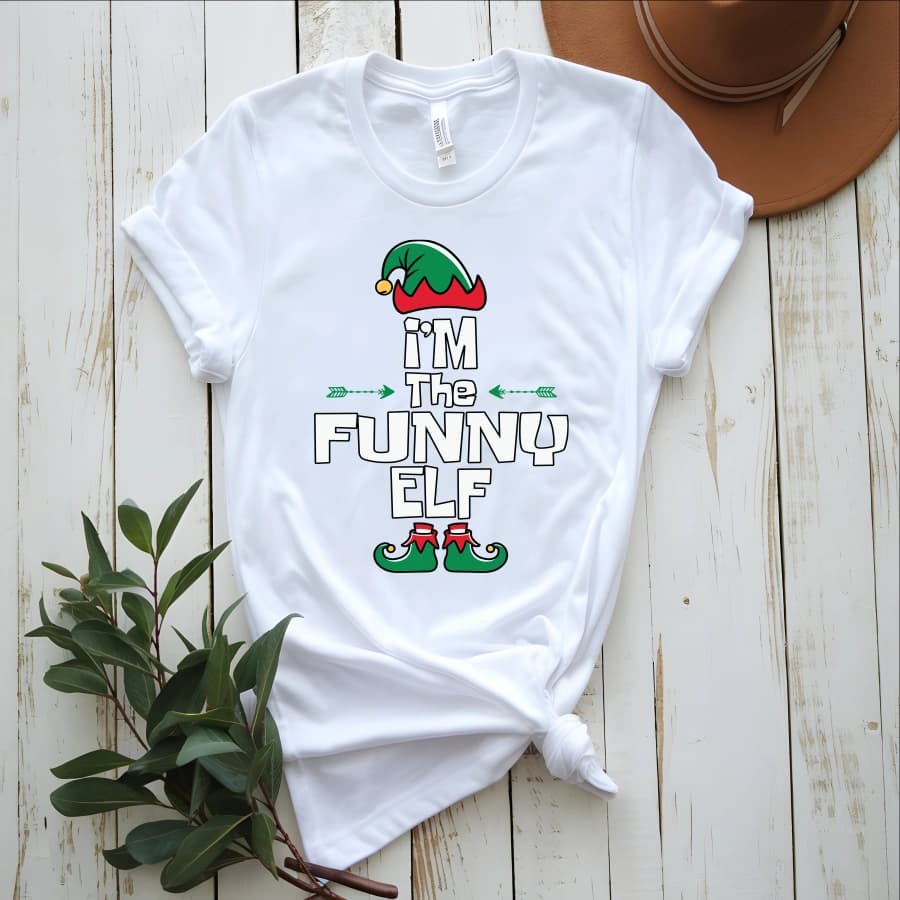
I'm the funny elf
I'm the funny elf -- Heat-applied DTF transfer for cotton, polyester, and any color fabric. Soft-feel finish, no weeding required.
Ready to press your next design?
Shop premium DTF transfers and sublimation products. No minimums. Ships in 2-3 business days.
Browse All Products