
Why Your Heat Press Matters for DTF
DTF (Direct-to-Film) transfers only look as good as the press that applies them. The film delivers vivid ink and a strong adhesive layer, but heat, time, and pressure are what actually bond the design to the fibers. Miss any one of the three and you get lifting corners, cracked prints after the first wash, or a hazy background where the adhesive did not fully release.
A cheap iron or a wobbly press with hot spots is the number one reason first-time DTF users think the transfers "did not work." In reality the transfer was fine. The heat was uneven, the pressure was soft, or the timer counted down while the platen was still coming back up to temp.
Before you spend money, understand what a DTF transfer needs. At ColorFuse Prints we ship every transfer with a spec of roughly 300F for 15 seconds at medium-firm pressure, cold peel. You can see the full chart on our heat press settings tool. Those numbers assume a real heat press -- not a household iron and not a hair straightener trick you saw online.
The Three Press Styles Explained
Nearly every heat press marketed to DTF users falls into one of three physical styles. Each has trade-offs that matter more than horsepower or wattage.
Clamshell Presses
A clamshell opens like a laptop -- the top platen hinges upward from the back. They are the most affordable style and the most compact on a desk. The downside is that the top platen is closer to your hands and forearms when you load garments, and pressure can be slightly heavier at the back of the platen than the front because of the hinge geometry.
For occasional crafters pressing a few shirts a week, a good 15" x 15" clamshell is plenty. Just get in the habit of using a heat-safe glove and positioning the garment carefully so you are not brushing the hot upper platen every time.
Swing-Away Presses
A swing-away press has a top platen that lifts straight up an inch or two, then rotates 180 degrees to the side. That puts all the heat away from your workspace while you position the garment and transfer. Pressure is also more even because the top platen presses straight down instead of hinging in an arc.
Swing-aways take more counter space (you need room for the platen to swing) and cost more, but they are the workhorse of most small print shops. If you are pressing every day or working on thicker items like hoodies and canvas bags, a swing-away is worth the upgrade.
Auto-Open Presses
An auto-open press is a clamshell or swing-away with a solenoid or spring mechanism that pops the top platen open automatically when the timer hits zero. That single feature is the biggest quality-of-life upgrade in the DTF world.
Why? Because DTF has a fairly tight time window. Five extra seconds of heat can scorch the adhesive and cause your transfer to have a shiny "ghost box" outline. An auto-open press removes the risk of you getting distracted mid-press and cooking a shirt. If you are producing at any volume, auto-open pays for itself the first time you save a $30 hoodie.
The Specs That Actually Matter
Marketing pages love to advertise wattage, LCD screens, and preset color modes. Ignore most of that. Here are the specs that actually predict good DTF results.
Temperature Accuracy and Recovery
A press should hit its set temperature and hold within +/- 5F. Cheap presses can drift 20-30F, which is enough to under-cure or over-cook a DTF adhesive. When you open and close the press repeatedly, a good unit recovers to temperature in under 30 seconds. A weak heating element can lag for a minute or more, throwing off every consecutive press.
If you already own a press, a $15 infrared thermometer aimed at the platen is the fastest sanity check. Preheat to 300F, wait five minutes, then measure the four corners and the middle. If any spot reads more than 15F off, you have a problem.
Even Pressure Across the Platen
DTF needs firm, even pressure -- the industry standard is roughly 40-60 PSI, or "medium-firm" on presses that use a knob instead of a gauge. Uneven pressure shows up as one edge of a transfer lifting after a wash or two.
The classic test: place four sheets of paper at each corner of the closed press, then tug on each. They should all pull out with roughly the same resistance. If one slides free easily, your press is not applying even force and you will get inconsistent bonds.
Digital Timer and Alarm
A digital timer with a loud audible alarm is non-negotiable. DTF windows are short, and eyeballing 15 seconds is not accurate enough for repeatable results. Bonus points if the timer only starts when the press is fully closed and locked -- some cheaper units start counting the moment you flip the switch, cutting your actual press time short.
Solid Frame and Silicone Pad Quality
A press that flexes when you lock it down is losing pressure at the corners. A heavy steel frame (30+ lbs) is a good sign. The lower platen should be covered with a fresh, springy silicone pad about 1/4" thick. Old pads compress and lose their ability to fill in around seams and pockets, which causes ghosting on shirts with tags or on hoodies with front pouches.
What Size Heat Press Do You Need?
Plate size limits what you can press. Bigger is not automatically better -- a huge platen is heavier, uses more power, and takes longer to preheat. Match the press to the transfers you actually plan to sell.
For reference, ColorFuse ships DTF transfer sizes from 5" infant up through 12.5" 3XL-4XL. See the size chart on the DTF transfers shop page if you are unsure which sizes fit which garments.
9" x 12" Presses
Fine for baby onesies, youth shirts, and small pocket-size logos. Too small for a standard adult front chest print. Skip this size unless you specifically only make infant and toddler apparel.
12" x 15" Presses
Handles adult chest prints up to about 11" wide, which covers roughly 90% of what small sellers press. A solid entry-size for hobbyists and Etsy-scale sellers.
15" x 15" Presses
The sweet spot for most DTF sellers. Fits our 12.5" 3XL-4XL transfers with room to spare, and gives you enough real estate for oversized center-chest or back prints. If you are buying one press and want it to grow with your business, this is the size.
16" x 20" Presses
For back prints, all-over designs, and larger canvas items. These are heavier and more expensive, and you probably will not need one unless you are branching into full-back tour-shirt style prints or wholesale runs.
Budget Tiers -- What You Get at Each Price
The DTF-capable heat press market in 2026 spans roughly $130 to $2,000+. Here is what to expect at each level.
Under $200 -- Entry Clamshells
Fine for very light hobby use -- five or ten shirts a week for family, friends, or a tiny side hustle. Expect uneven pressure, drifting temperatures, and a lifespan of one to two years under regular use. If you are just testing whether DTF is for you before committing, this tier gets you started without a huge outlay.
$200 -- $500 -- Solid Prosumer Presses
The value sweet spot. At this price you get a real 15" x 15" platen, digital timer, decent pressure adjustment, and often auto-open. Good for anyone selling 10-50 transfers a week. Most Etsy sellers, craft fair vendors, and part-time apparel businesses live in this tier for years.
$500 -- $1,000 -- Small Shop Grade
Swing-away or auto-open models with better heating elements, more accurate temperature control, and heavier frames. Recovery time is faster so you can do back-to-back presses without waiting. Warranty coverage is usually longer. This is where you should be if DTF is a real income stream.
$1,000+ -- Commercial and Multi-Station
Dual-platen setups, pneumatic pressure, oven-quality temperature control, and long warranties. Only worth it if you are pressing hundreds of pieces a day. Overkill for anyone still asking "which heat press should I buy?"
Heat Press Style Comparison
Here is how the three press styles stack up against the criteria that matter for DTF work.
| Feature | Clamshell | Swing-Away | Auto-Open |
|---|---|---|---|
| Typical price | $130 -- $400 | $300 -- $800 | $400 -- $1,000 |
| Countertop footprint | Compact | Needs swing clearance | Varies |
| Pressure evenness | Good | Excellent | Excellent |
| Safety when loading | Heat close to hands | Heat swung away | Heat lifts away |
| Risk of over-pressing | High | Medium | Very low |
| Best for | Hobby / occasional | Daily small-shop | Volume production |
| DTF suitability | Good | Better | Best |
Can You Use an Iron Instead?
Short answer: no, not reliably. A household iron does not deliver the sustained even pressure that DTF adhesive needs to fully release from the film and grab the fabric fibers. You might get one or two transfers to look okay, but they will typically fail after the first or second wash.
The specific problems with an iron are: pressure only where you press hardest (the tip and heel of the sole plate), no consistent temperature control (irons cycle on and off), and no accurate timer. You are essentially guessing on all three of the critical variables.
If you truly cannot budget a press yet, order a single test transfer from the DTF transfers shop and try it with an iron so you know what "failed DTF" looks like -- then compare it later when you have a real press. The difference is dramatic.
Accessories That Actually Help
A few small purchases dramatically improve DTF results regardless of which press you buy.
Teflon Sheet or Parchment Cover
Placed on top of the transfer before pressing, it protects the platen from any adhesive that might sneak past the edges of the film. Reusable Teflon sheets last for hundreds of presses. Parchment paper works in a pinch but tears easily.
Heat-Resistant Tape
For placing multiple small transfers on one garment (a chest logo plus a sleeve accent, for example), heat-resistant tape holds the film in place while you position and press. Prevents the film from shifting when the platen closes.
Infrared Thermometer
Under $20 and one of the most valuable tools in your workflow. Verify your platen temperature monthly. You will catch a failing heating element before it ruins a batch of orders.
Silicone Cover Sheet
A thin silicone sheet between the transfer and the platen adds a small amount of give, which helps on garments with seams, pockets, or slight surface variation. Some sellers swear by it for hoodies especially.
A Second Small Press (Optional)
Once you scale up, a small 5" x 5" mini press dedicated to sleeve and pocket prints saves you from constantly readjusting your main press for different placements. Not essential, but a nice quality-of-life addition later.
The DTF Buyer's Checklist
Before you click "buy" on any heat press, verify each of the following. If the product page cannot answer these questions clearly, keep shopping.
- Platen size at least 12" x 15" -- 15" x 15" preferred for most sellers
- Digital timer with audible alarm
- Digital temperature display with adjustment in 1F increments
- Pressure adjustment (knob, screw, or dial) with visible reference
- Fresh silicone pad on the lower platen -- not foam, not bare metal
- Solid frame that does not flex when locked down
- At least a 1-year warranty from a US-based seller
- Real user reviews that mention DTF transfers specifically (not just vinyl)
- Return policy that lets you test the press within 30 days
Getting Started Once Your Press Arrives
Once your press is on the counter, resist the urge to jump straight to a paying customer's order. Do these three things first.
First, preheat and calibrate. Let the press hit temp, then verify with an infrared thermometer. Do the paper-corner pressure test. Note the difference between the digital reading and reality so you can adjust the set point going forward.
Second, run a wash test. Press a scrap-cotton tee with a test transfer, then wash and dry it three times on your normal home cycle. Look for cracking, lifting corners, or fading. If any of that shows up, adjust pressure or dwell time before you press live orders.
Third, save your settings. For each transfer type and fabric you use, write down the exact temperature, time, pressure setting, and peel style that worked. Tape it to the side of your press. You will thank yourself in six months when you cannot remember which knob position gave you the perfect polyester press. If you need a starting point, the ColorFuse heat press settings tool has our recommended defaults for every fabric we sell transfers for.
If you are curious about the full pressing workflow -- lay-down technique, cold vs hot peel timing, layering multiple transfers -- explore the DTF sections of our blog and the FAQ page. There is a lot of nuance beyond "300F for 15 seconds," and small adjustments compound into much better results.
Frequently Asked Questions
What is the best temperature and time for DTF transfers?
For ColorFuse DTF transfers, the recommended setting is approximately 300F for 15 seconds at medium-firm pressure, then cold peel (let the garment cool 10-15 seconds before removing the film). Some brands vary slightly, so always check the spec sheet that ships with your transfers.
Do I really need a $500 heat press to sell DTF shirts?
No. A well-made 15" x 15" clamshell in the $200-$400 range is plenty for most Etsy and craft-fair sellers. Upgrade to a swing-away or auto-open press once your volume justifies it -- typically once you are pressing more than 30 or 40 pieces per week or you find yourself over-pressing shirts because you got distracted.
Is a clamshell or swing-away better for DTF?
Both work well if the press is well built. Swing-aways offer more even pressure and safer garment loading because the top platen swings away from your workspace. Clamshells are cheaper and more compact. For daily production, swing-away is usually worth the extra cost.
Can I use a Cricut EasyPress for DTF transfers?
EasyPress-style handheld presses can work for very small DTF transfers on flat fabric, but they struggle with even pressure across larger designs and lack a hard flat surface underneath. They also require you to time and press manually, which is inconsistent. They are not recommended for anything you plan to sell.
What pressure setting do I use for DTF?
Medium-firm -- roughly 40-60 PSI on presses with a gauge, or about 75% of the way tightened on presses with a knob. You want the platen firm enough that a folded piece of paper will not slide out easily, but not so tight that the press is difficult to close.
How do I know if my heat press is failing?
Signs include transfers lifting or cracking after one or two washes, a "ghost box" outline showing around the transfer, uneven bonding where one corner peels and the other stays down, and the platen taking a long time to reach set temperature. Verify with an infrared thermometer and the paper pressure test before blaming the transfers.
Do I need a Teflon sheet when pressing DTF?
Not always for the press itself (the film covers most of the ink), but a Teflon or parchment sheet on top adds a protection layer against stray adhesive and helps distribute heat evenly. It is cheap insurance and highly recommended.
Shop DTF Transfers
View all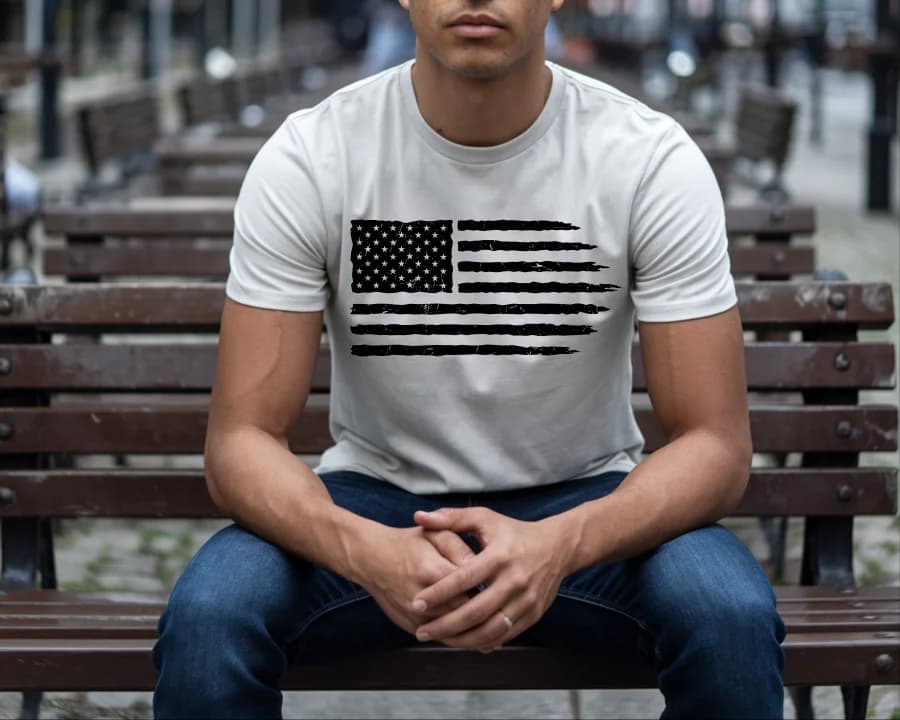
DTF Transfers
Grunge Flag
High Quality DTF Transfers, Ready to press Heat Transfers
DTF Transfers
Gamers Life Ready-To-Press DTF Transfer
High Quality DTF Transfers, Ready to press Heat Transfers
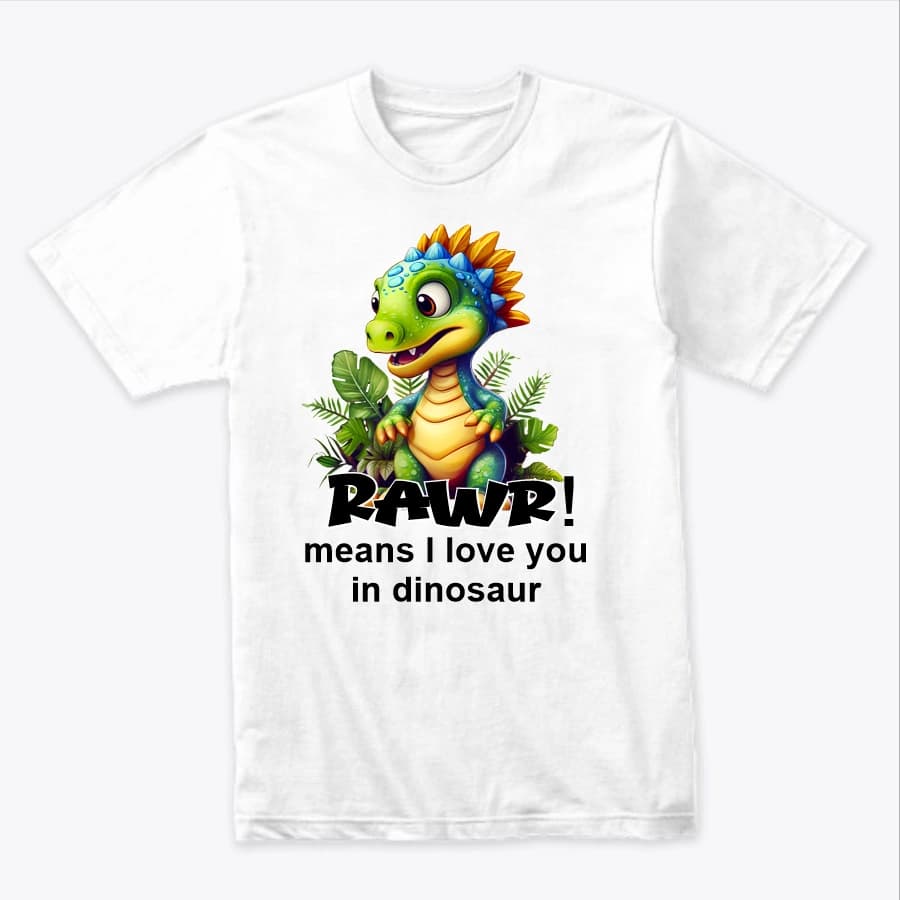
DTF Transfers
Rawa means I Love You
Rawa means I Love You -- Heat-applied DTF transfer for cotton, polyester, and any color fabric. Soft-feel finish, no weeding required.
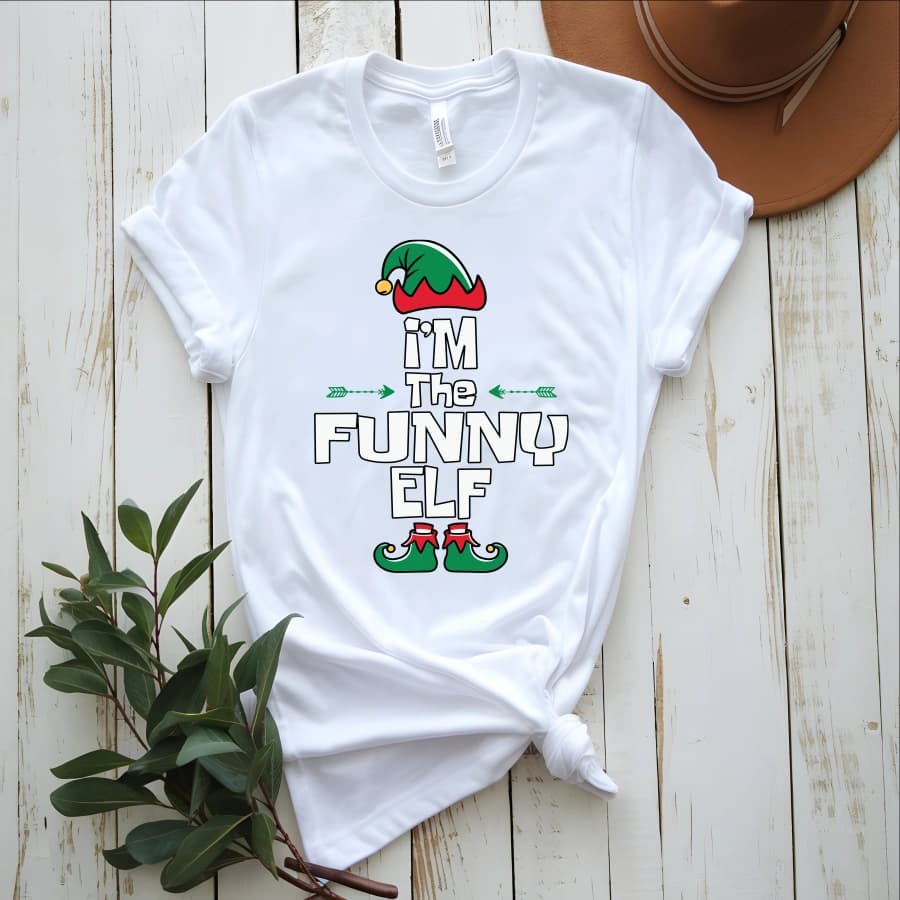
DTF Transfers
I'm the funny elf
I'm the funny elf -- Heat-applied DTF transfer for cotton, polyester, and any color fabric. Soft-feel finish, no weeding required.
Ready to press your next design?
Shop premium DTF transfers and sublimation products. No minimums. Ships in 2-3 business days.
Browse All Products